
Product Guides
How to start a private label workwear brand
A B2B guide for private label workwear and uniform buyers, covering product selection, fabric durability, samples, MOQ, quality records, packing, and stable factory production.
Quick answer
To start a private label workwear brand, define the work environment, choose a focused uniform range, select durable fabrics and trims, approve samples, confirm MOQ and lead time, and work with a manufacturer that can control measurements, workmanship, quality records, packing, and reorder consistency.
Workwear is a B2B product category. Buyers often care less about seasonal hype and more about durability, stable fit, repeat orders, logo consistency, packing accuracy, and delivery reliability.
A strong first workwear program usually starts with one buyer group, one fabric direction, a controlled size range, and clear packing files.
Define the workwear buyer and use case
Workwear and uniform buyers can include hospitality teams, medical teams, corporate staff, event crews, industrial workers, logistics teams, schools, and distributors.
Each use case changes the product. Hospitality uniforms need appearance and comfort. Medical scrubs need wash durability and pocket placement. Industrial workwear may need stronger fabric, reinforced seams, and functional trims.
Before contacting a factory, define who will wear the product, where it will be used, how often it will be washed, and what branding or packing rules are required.
Choose a focused workwear product range
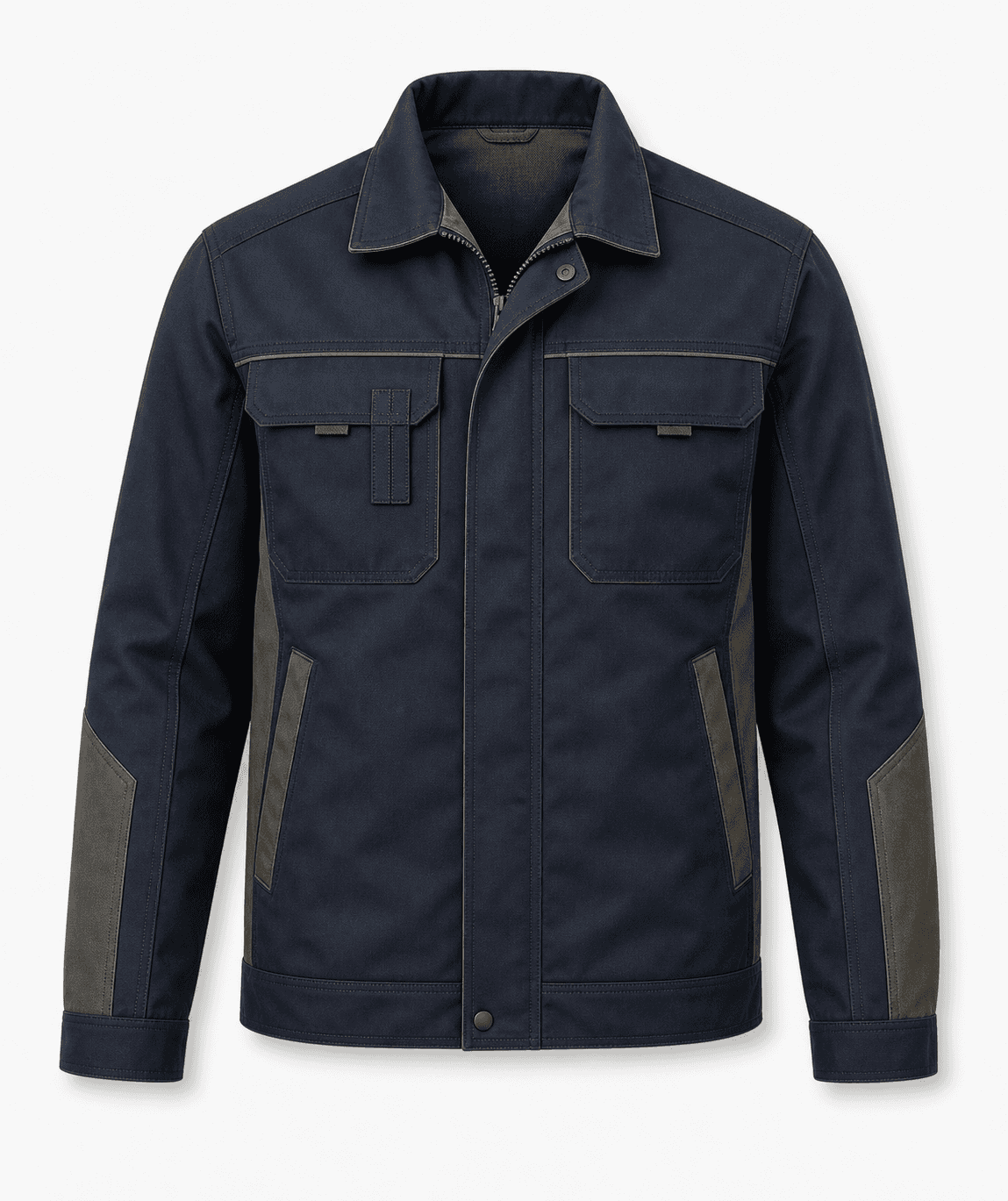
A private label workwear launch can start with polos, shirts, aprons, scrubs, work jackets, vests, utility pants, or staff uniforms.
Keep the first range narrow. Too many roles, colors, pockets, trims, and sizes make MOQ, sample approval, and reorder planning harder.
Coverenta reviews workwear projects by user role, fabric durability, pocket layout, measurement tolerance, logo position, packing method, quantity, and destination market.
Workwear programs should connect user role, fabric durability, pockets, labels, packing, and reorder needs.
Plan fabric durability, pockets, and construction
Workwear fabric must match the job. Common options include twill, poplin, poly-cotton blends, ripstop, stretch woven fabrics, durable knits, fleece, and softshell.
Construction details can matter as much as fabric. Pocket placement, reinforcement points, seam strength, button or zipper choice, cuff design, hem finish, and logo position should be reviewed during sampling.
For procurement programs, consistency is critical. The fabric, fit, color, label, and packing method should be repeatable for future orders.
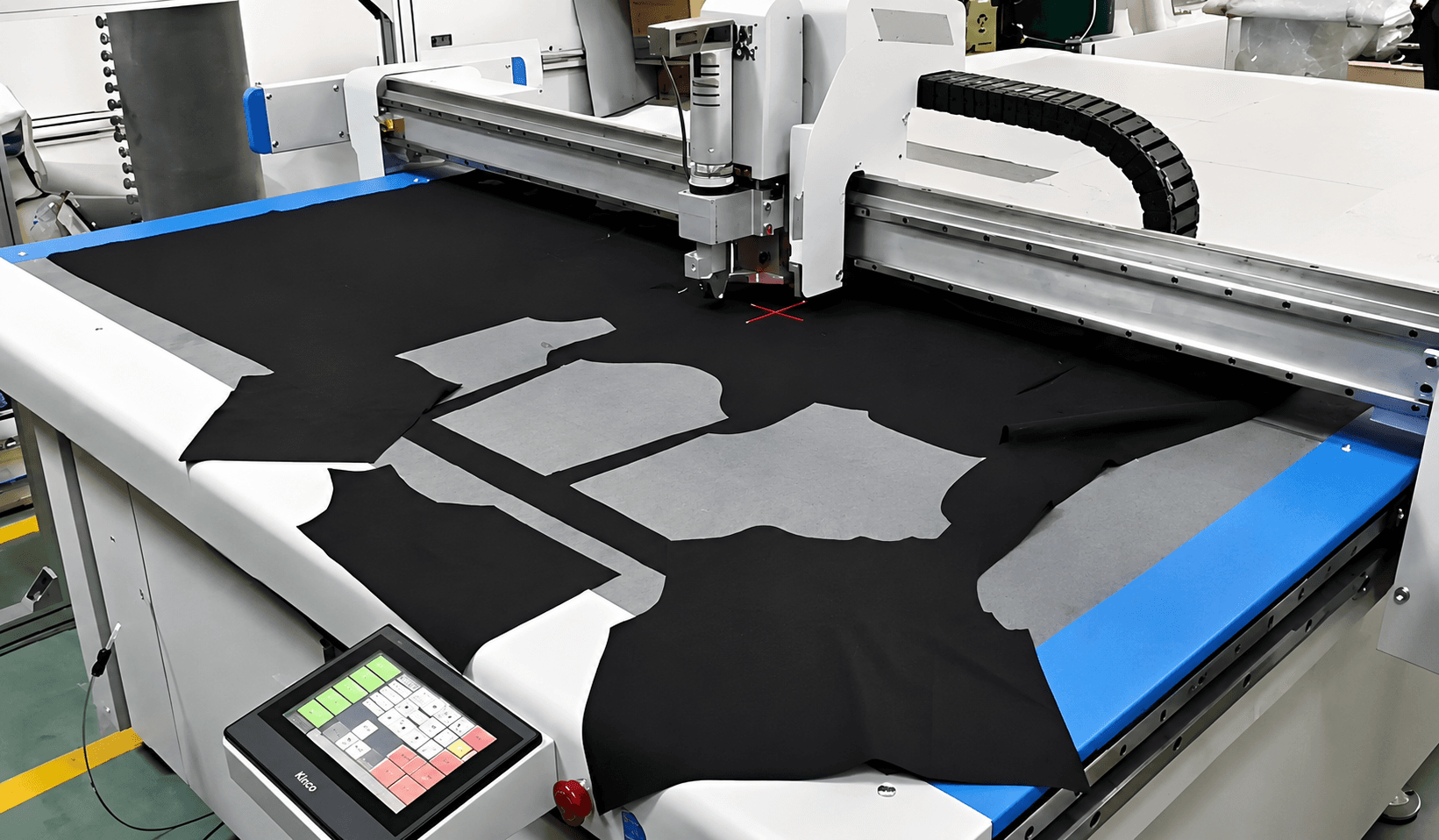
Cutting control helps maintain size consistency across workwear and uniform programs.
Use quality records for B2B buyer confidence
Workwear quality control should check fabric, measurements, seam strength, pocket layout, workmanship, logo placement, label accuracy, packing, and carton marks.
B2B buyers may also need documentation for material, inspection, order scope, or compliance conversations. The right document depends on fabric, claim, buyer requirement, and destination market.
Coverenta treats quality records as buyer evidence. Reports and inspection notes are most useful when they connect to the actual order, not generic marketing claims.
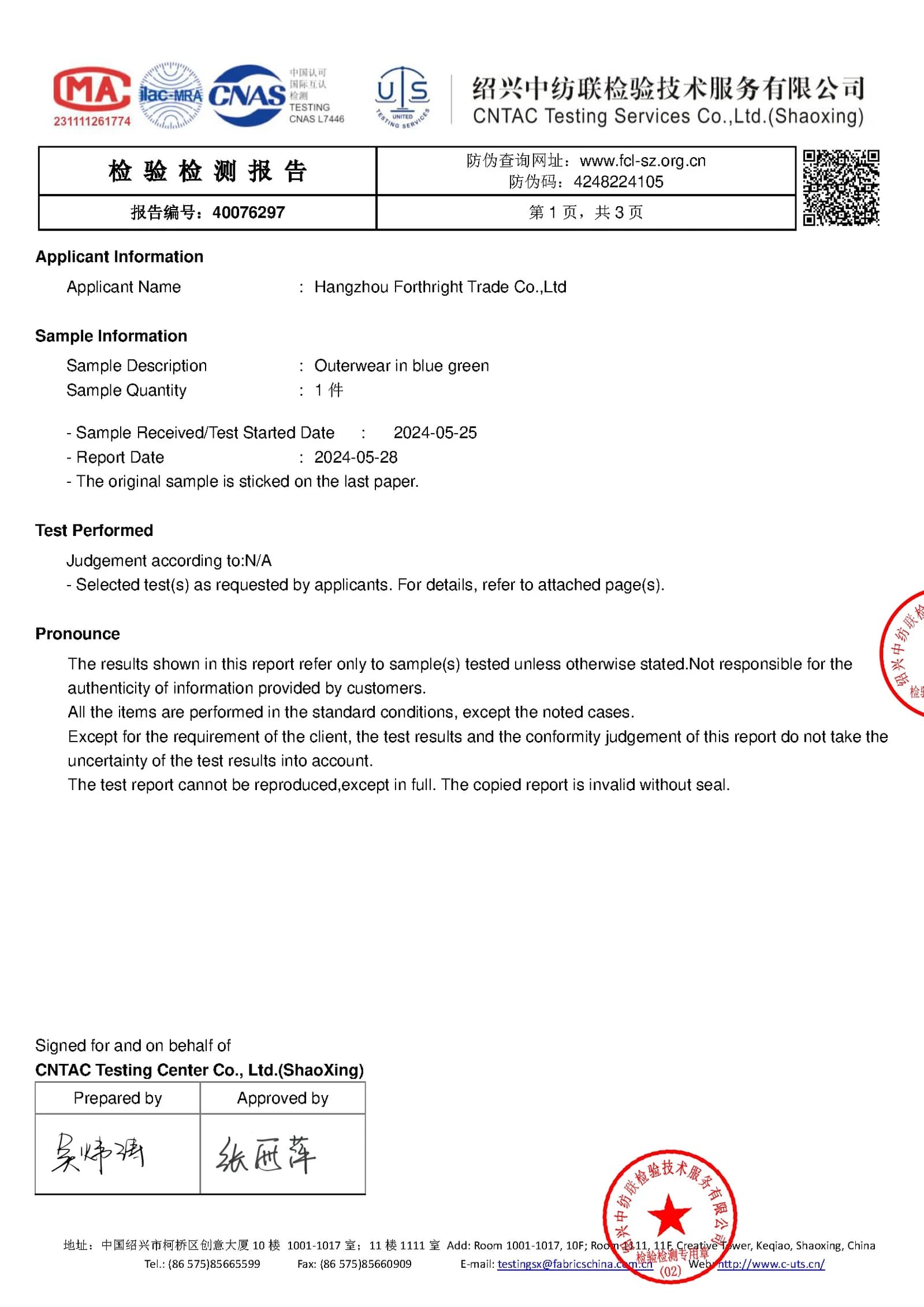
Quality reports help procurement teams review sample information, material checks, and documentation context.
Choose a workwear manufacturer with stable production
A reliable private label workwear manufacturer should support durable fabric sourcing, sample development, pocket and trim review, size grading, measurement control, final inspection, private label packing, and export delivery.
Ask how the factory handles repeat orders. Workwear buyers often reorder the same uniform across seasons, teams, branches, or employee groups.
Stable quality and stable lead time matter more than the lowest price when uniforms need to be reordered and distributed across teams.
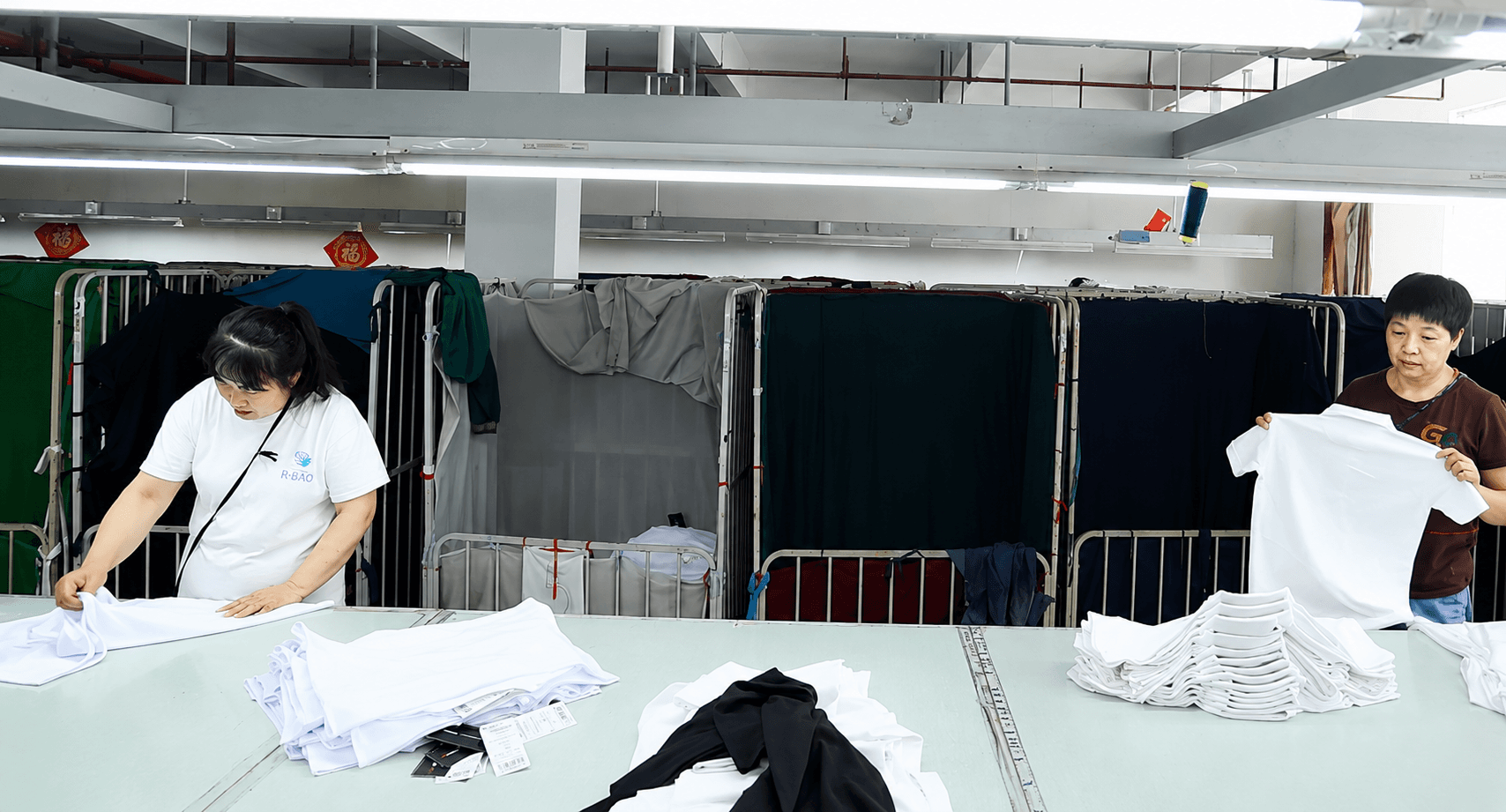
Workwear programs need stable production flow, inline checks, measurement control, and packing accuracy.
Plan MOQ, packing, and delivery for repeat orders
Workwear MOQ depends on fabric, color count, size range, pocket complexity, logo method, labels, and packing materials.
Packing should be confirmed before production: care label, size sticker, individual polybag, team or department grouping, carton marks, barcode labels, and delivery instructions.
Common delays come from unclear size breakdowns, late embroidery files, unfinished labels, pocket changes after sampling, and missing carton information.
Author
Coverenta Editorial Team
Apparel Manufacturing Editors
The Coverenta editorial team documents practical apparel manufacturing decisions for brand buyers, sourcing teams, and product developers.
FAQ
Questions this article answers.
What products can a private label workwear brand start with?
Common starting products include uniforms, polos, aprons, work jackets, scrub sets, utility pants, vests, and corporate staff apparel.
What is the MOQ for private label workwear?
Starter workwear programs may begin around 100 to 300 pieces per style when fabric and trims are available, but MOQ changes with fabric durability, color count, size range, pockets, labels, and packing rules.
What fabrics are used for workwear and uniforms?
Common options include twill, poplin, poly-cotton blends, ripstop, stretch woven fabrics, fleece, softshell, and durable knits depending on job function.
How long does workwear production take?
After sample approval and material readiness, many workwear orders take about 30 to 55 days. Complex pockets, reinforced panels, special trims, and size ranges can extend the timeline.
What quality checks are important for workwear?
Important checks include fabric durability, seam strength, pocket placement, measurement control, color consistency, logo placement, label accuracy, packing, and carton marks.
Can a factory make corporate uniforms with private labels?
Yes. A factory can support woven labels, care labels, embroidery, patches, hangtags, size stickers, polybags, carton marks, and reorder files for corporate programs.
What should procurement teams prepare before sourcing workwear?
Prepare user role, work environment, fabric requirement, size range, logo position, pocket needs, safety or document requirements, order quantity, packing rules, and delivery schedule.
How do I choose a workwear manufacturer?
Choose a manufacturer with durable fabric sourcing, sample control, measurement discipline, stable lead time, quality records, private label packing, and export experience.
Related Posts
Continue reading.
How to start a private label sportswear brand
A manufacturing guide for private label sportswear brands, covering product range, fabric sourcing, sample approval, quality records, MOQ, packing, and export-ready production.
Read ArticleHow to start a private label hoodie brand
A search-focused guide for launching private label hoodies, covering fleece, French terry, fit, labels, embroidery, MOQ, sampling, bulk production, and packing.
Read ArticleHow to start a private label activewear brand
A practical guide for launching a private label activewear line, from leggings, sports bras, training tops, and sets to fabric choice, samples, MOQ planning, and bulk production.
Read Article