
Product Guides
How to Start a Private Label Outdoor Jacket Brand
A practical manufacturing guide for building a private label outdoor jacket line, from product positioning and fabric sourcing to samples, testing records, MOQ planning, and export-ready packing.
Quick answer
To start a private label outdoor jacket brand, define the buyer, choose a focused jacket line, prepare fabric and trim requirements, approve samples, verify performance claims, confirm packing files, and work with a factory that can manage outerwear production from material sourcing to shipment.
A practical first launch usually starts with one or two jacket styles, two or three colors, and a controlled size range. This keeps sampling, minimum order quantity planning, fabric booking, and quality control manageable while the brand tests demand.
Outdoor jacket manufacturing is not only sewing. Shell fabric, lining, waterproof or water-resistant claims, zipper choice, seam construction, hood design, labels, packaging, carton marks, and test records all affect cost, lead time, and buyer trust.
Check the outdoor jacket demand before product development
Outdoor jacket demand comes from performance use, travel, city outerwear, corporate programs, and casual outdoor consumers. The Outdoor Industry Association reported 175.8 million U.S. outdoor participants in 2023, equal to 57.3% of Americans aged six and older. Its 2025 retail sales report also showed the U.S. outdoor market rebounding to $28 billion in 2024.
Those figures do not prove that every jacket brand will succeed. They show why buyers continue to review outdoor categories, especially products that can serve both functional and lifestyle use. For private label brands, the useful question is not only market size. The useful question is which jacket type, price point, fabric, and channel fit your buyer.
Before speaking with a manufacturer, define whether the line is for outdoor lifestyle, hiking, workwear, corporate uniforms, team programs, ski retail, ecommerce, or wholesale. This positioning affects fabric, features, testing, packing, and inventory planning.
Understand private label, white label, and OEM before choosing a factory
A private label outdoor jacket brand sells jackets made by a third-party factory under the buyer's brand. The buyer controls the brand name, label, packaging, color direction, and product requirements, while the factory supports sourcing, development, sampling, production, quality control, and export coordination.
White label jackets are closer to existing factory products with limited changes. Private label jackets allow more control over fabric, color, logo, trims, lining, care label, hangtag, polybag, and carton marks. Original equipment manufacturer (OEM) projects go deeper into custom construction, technical specifications, pattern changes, and performance requirements.
Coverenta reviews these project types differently. A white label inquiry needs product selection and branding details. A private label inquiry needs brand, fabric, trims, packing, and quantity details. An OEM inquiry needs a stronger tech pack, sample reference, measurement table, construction notes, and approval process.
How Coverenta Reviews Outdoor Jacket Projects
Jacket type review comes first. Coverenta checks whether the buyer is developing a windbreaker, softshell, puffer, fleece jacket, waterproof shell, ski layer, or uniform outerwear piece because each category has different fabric, trim, sewing, inspection, and packing needs.
Fabric availability review follows the product direction. The factory checks whether the shell fabric, lining, fleece, insulation, coating, membrane, or quilted material is available from existing sources or needs supplier booking before a reliable MOQ and lead time can be discussed.
Trim lead time review covers zippers, zipper pullers, snaps, drawcords, cord locks, elastic cuffs, reflective tape, labels, hangtags, polybags, and cartons. A jacket can be delayed even when the fabric is ready if one branded trim or packing item is not confirmed.
Sampling feasibility review checks whether the reference jacket, measurement table, artwork, construction notes, and material direction are clear enough for a first sample. If details are missing, Coverenta separates what can be sampled immediately from what needs buyer confirmation.
Testing scope review is tied to the claim. Waterproof, water-resistant, color fastness, fiber content, shrinkage, seam strength, and durability checks should be connected to the actual fabric, sample, order scope, and destination market instead of being treated as general certification language.
Packing requirement review is completed before bulk packing starts. Care labels, woven labels, hangtags, barcode labels, polybags, carton marks, carton ratios, folding method, and destination requirements are checked as production files, not as afterthoughts.
Production review connects jacket type, material readiness, trim sourcing, sewing setup, inspection records, packing files, and shipment handoff before bulk work moves forward.
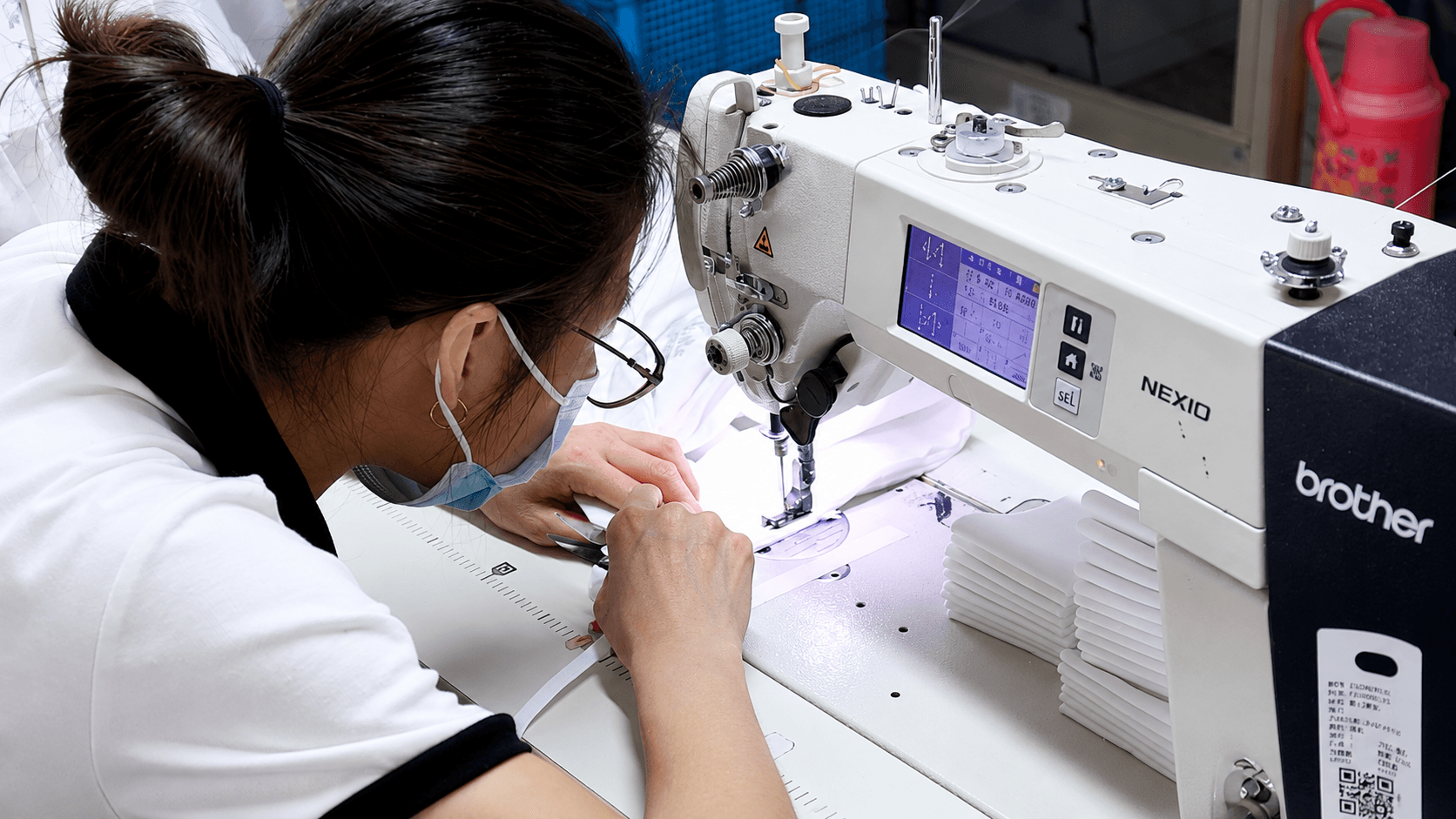
Factory review is based on repeatable sewing work, not only sample appearance. Construction details must be practical for line production across sizes and colors.
Choose the first outdoor jacket category
New brands reduce risk when they start with a focused product line. Windbreakers, softshell jackets, puffer jackets, fleece jackets, waterproof shells, ski jackets, and 3-in-1 systems each require different materials, machines, trim sourcing, and quality checks.
Windbreakers are lighter shell jackets for travel, hiking, running, teamwear, and promotional programs. Softshell jackets need stretch, structure, handfeel, and weather resistance. Puffer jackets require shell fabric, lining, filling, quilting pattern, zipper, and warmth decisions. Fleece jackets are useful for outdoor lifestyle, uniforms, and layered programs.
For a first launch, avoid building too many categories at once. A tight launch lets you compare sample feedback, understand buyer price tolerance, and protect cash flow before committing to deeper inventory.
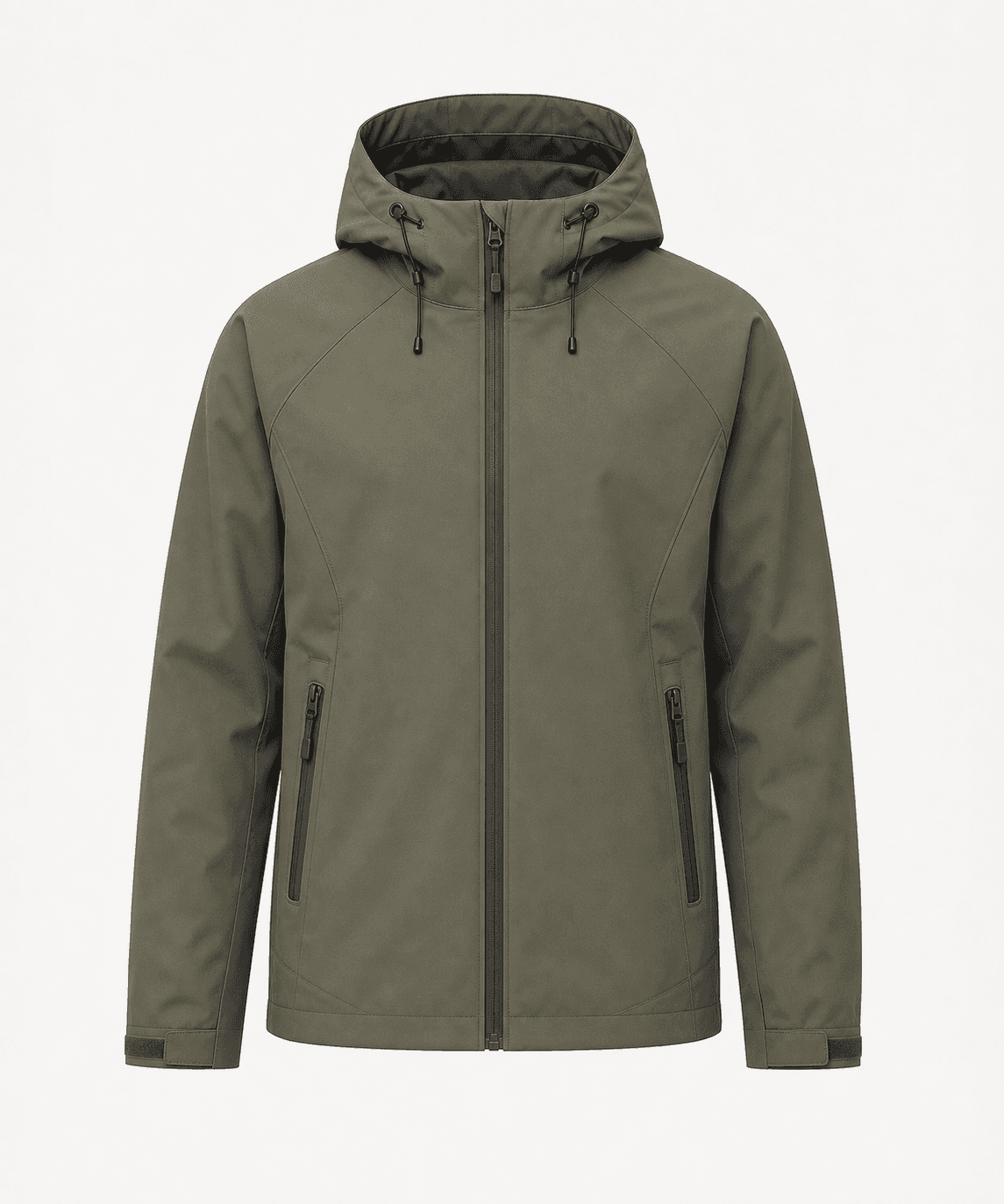
Outdoor jacket sourcing should start with a controlled product direction, not a large catalog. Review fabric, trims, fit, and packing requirements before adding more styles.
Plan fabric, lining, trims, and performance claims together
Fabric selection drives jacket cost, handfeel, performance, appearance, and minimum order quantity. Common outdoor jacket fabrics include polyester, nylon, ripstop, softshell, polar fleece, laminated waterproof fabrics, quilted shell fabrics, and insulated materials.
Do not treat waterproof claims as marketing copy. Hydrostatic head testing measures a fabric's resistance to water penetration under pressure. ISO 811 describes hydrostatic pressure testing for textile fabrics, and AATCC 127 is widely used for water resistance testing in textile evaluation. A rating such as 5,000 mm, 10,000 mm, 15,000 mm, or 20,000 mm only makes sense when the test method, fabric, coating, membrane, seam construction, and intended use are clear.
A factory review should connect the fabric to lining, zipper, seam, hood, cuff, drawcord, pocket, print, embroidery, and packing choices. In Coverenta's review process, outdoor jacket briefs are checked against fabric availability, trim sourcing, sample feasibility, performance claims, and buyer documentation needs before bulk production planning.
The testing report images in this section are examples of testing records and quality evidence. They should be reviewed against the actual fabric, sample information, claim, and order scope. They should not be described as certifications.

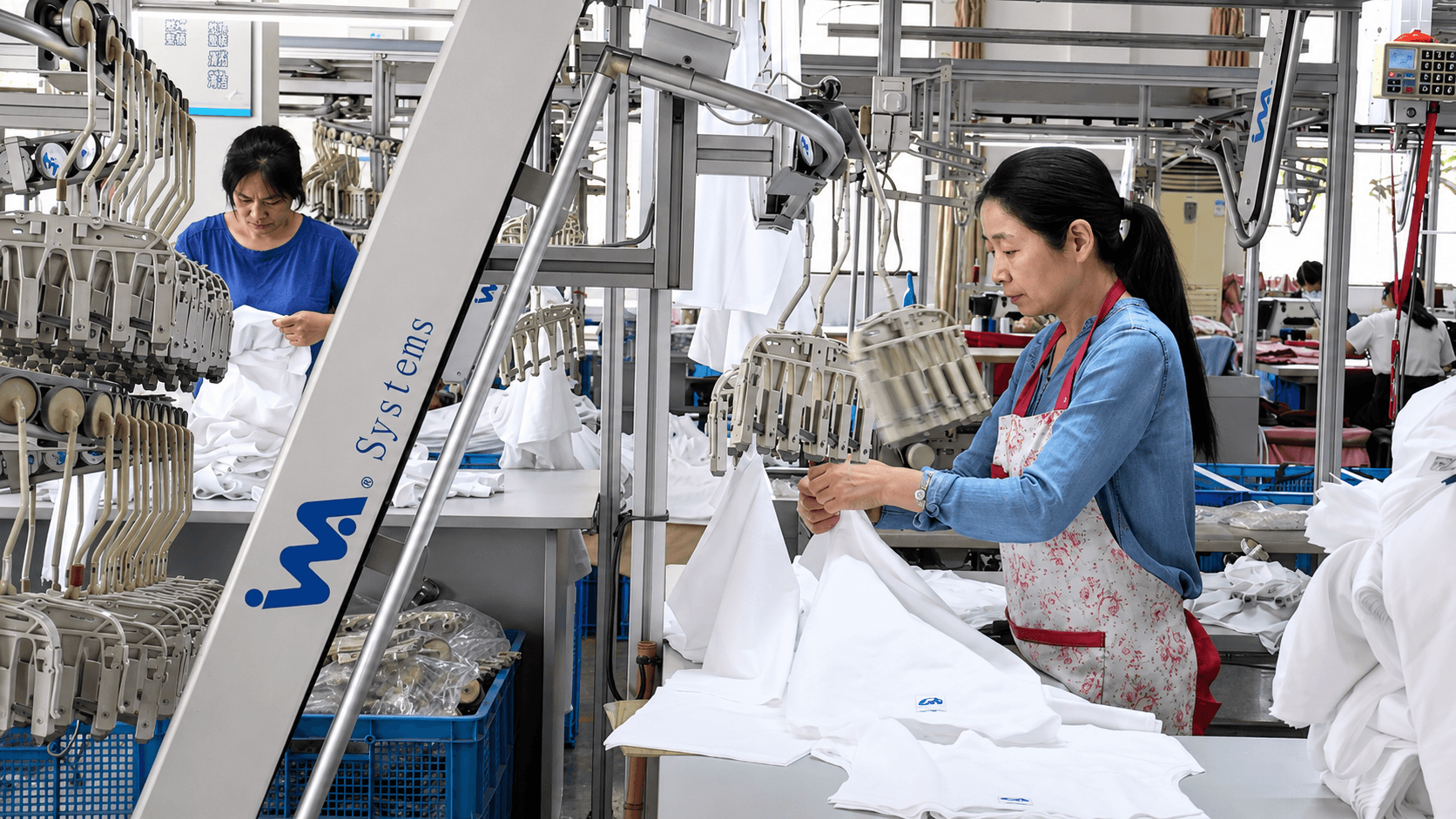
Fabric inspection is one of the first control points. Shell fabric, lining, color, handfeel, and performance direction should be confirmed before cutting.
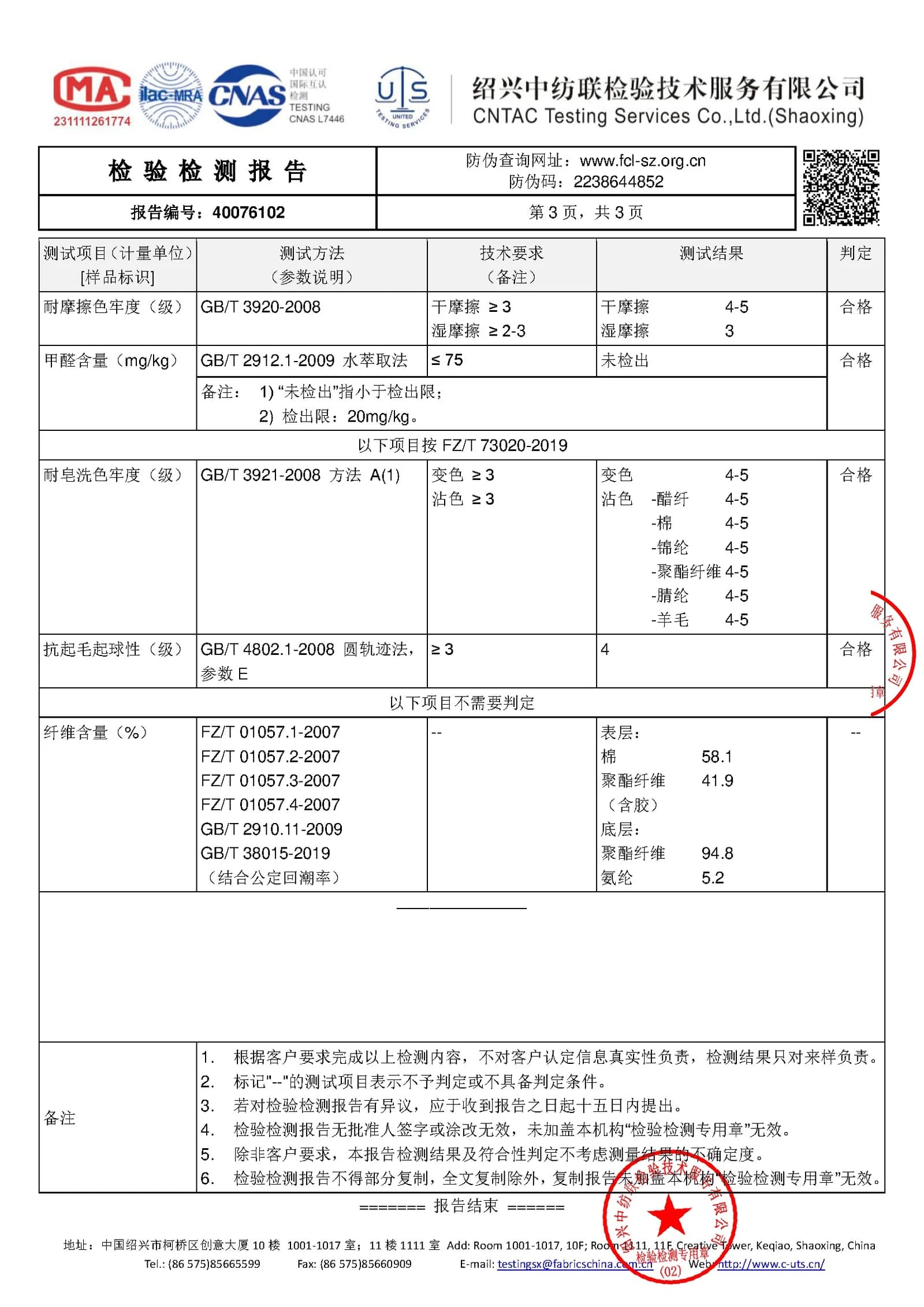
Testing records help support fabric review. Laboratory scope, sample details, and claim relevance should be checked for each project.
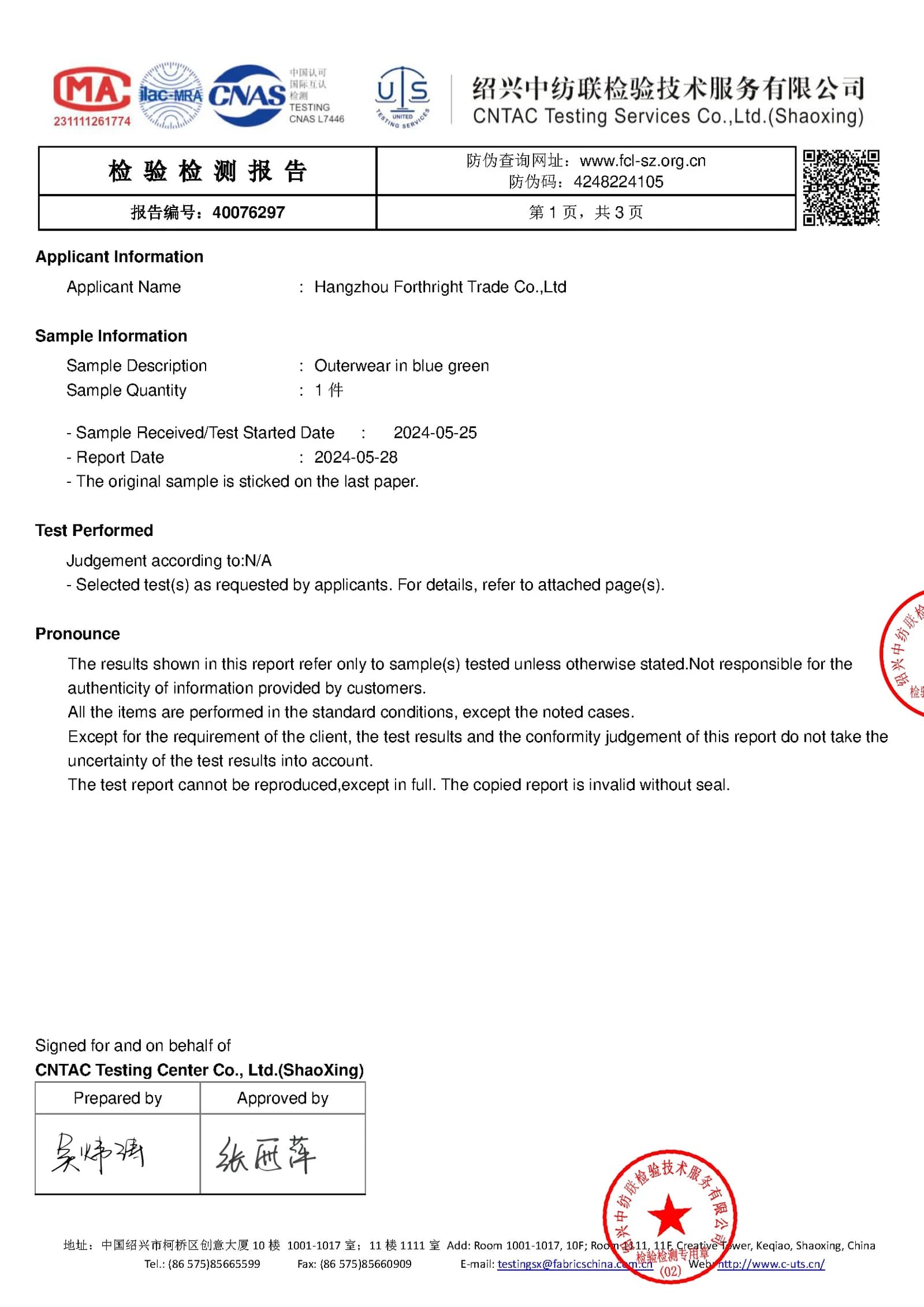
Report overview pages help buyers check applicant details, sample information, report context, and whether the record matches the outdoor jacket material being discussed.
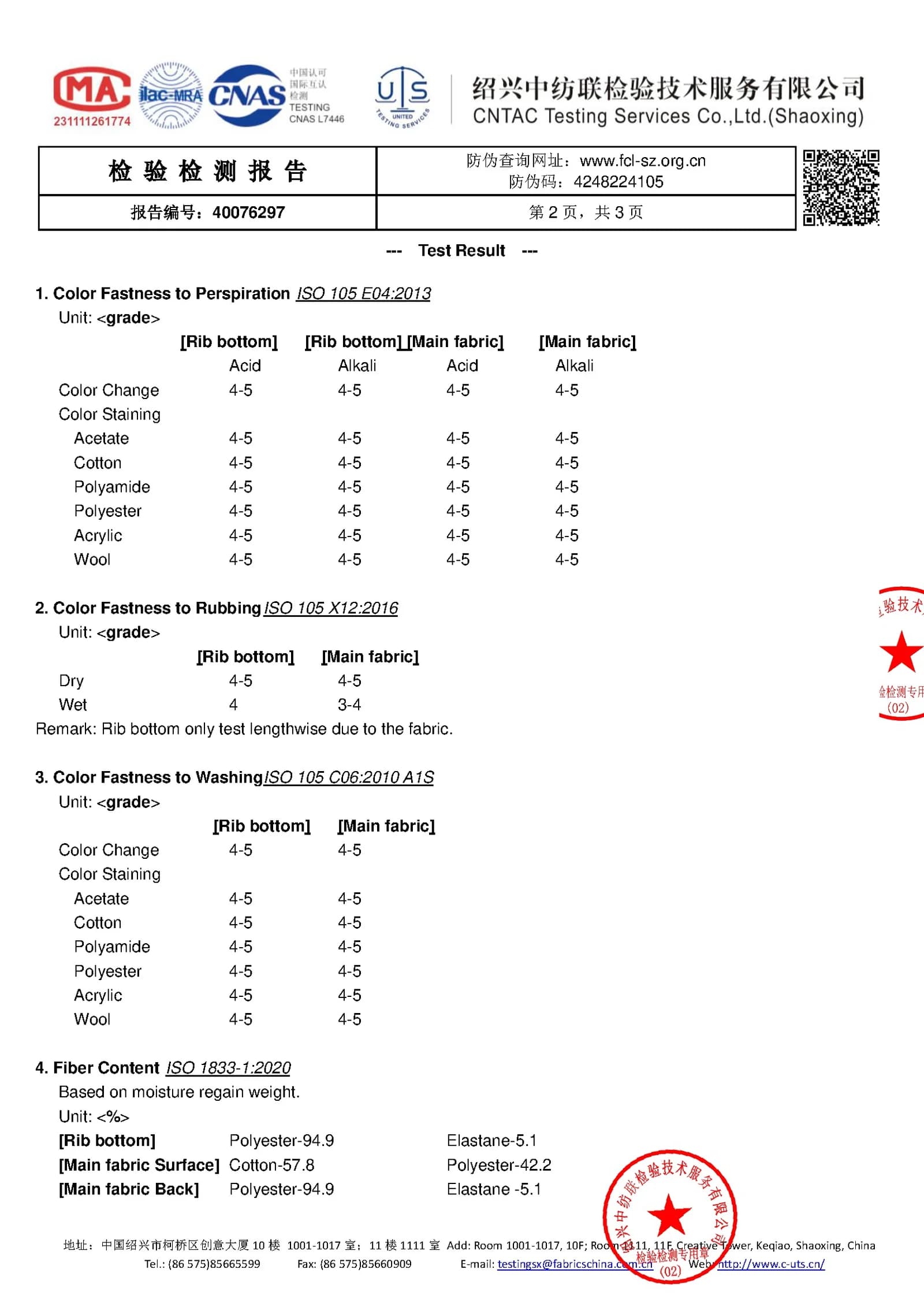
Color fastness records are examples of quality evidence. They support buyer review only when the tested material and claim match the production scope.
Build the product development file before sampling
A private label outdoor jacket project should start with a clear product file. Include the jacket type, target customer, reference images, measurement table, fabric direction, lining, zipper, hood, cuff, pocket, print, embroidery, label, hangtag, polybag, carton mark, and destination market.
If you do not have a full tech pack, prepare a structured brief. A factory can help translate reference photos and product notes into a development direction, but missing measurements, unclear fabric requirements, and unfinished artwork can still delay sampling.
A useful development sequence is market review, product selection, material direction, technical file preparation, first sample, sample comments, revised sample, pre-production approval, bulk material booking, cutting, sewing, inspection, packing, and shipment handoff.
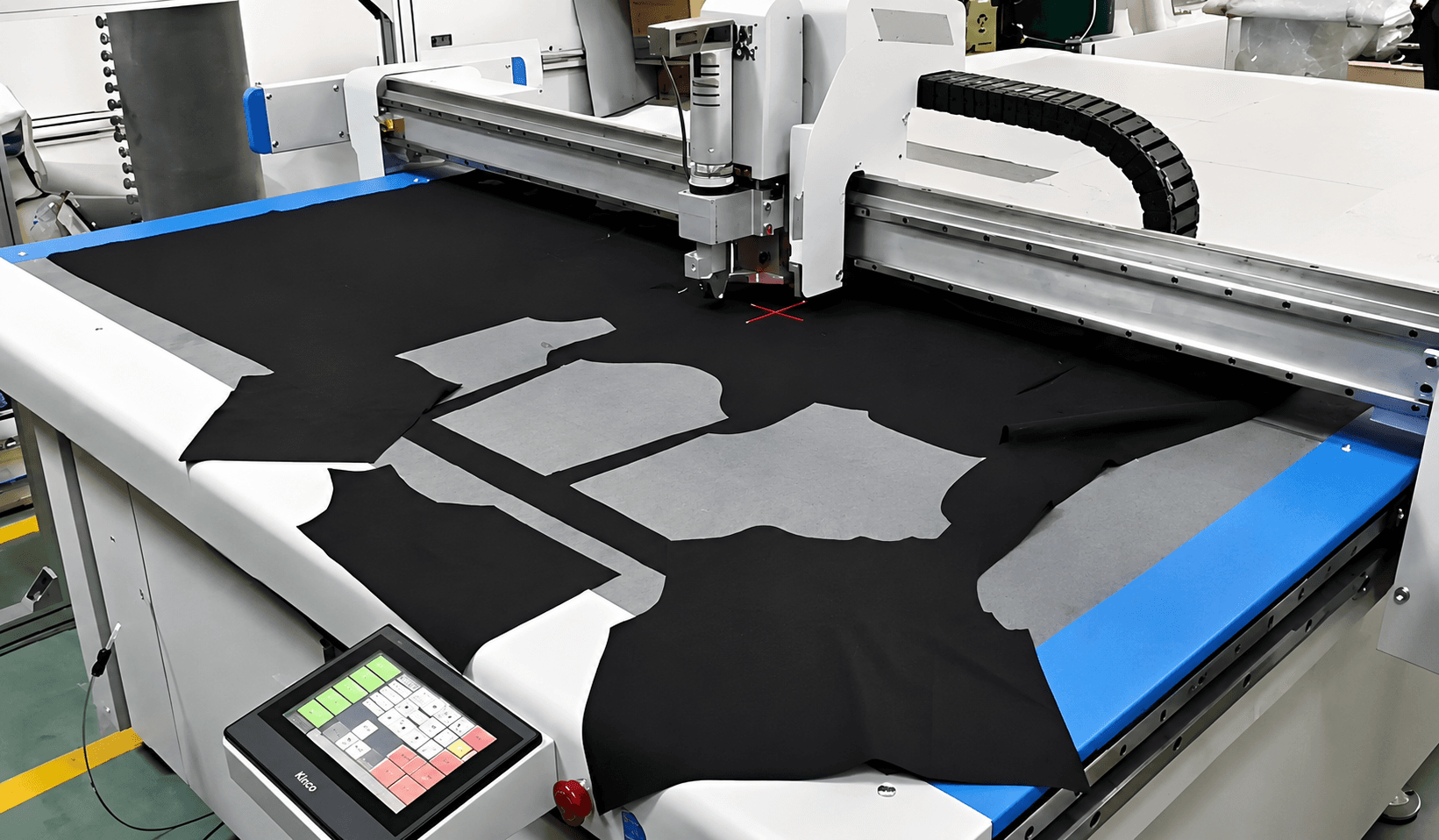
Cutting preparation turns the approved product file into real production work. Measurements, fabric direction, size range, and sample comments should be settled before fabric is cut.
Use sampling to remove production risk
Sampling is the point where a private label jacket becomes a real product. Review the first sample for fabric handfeel, color, lining, measurements, layering comfort, hood shape, sleeve length, pocket placement, zipper function, seam construction, logo position, labels, and packing method.
Outdoor jackets need more sample discipline than basic knitwear. Seam sealing, quilting, lining attachment, zipper pullers, storm flaps, elastic cuffs, drawcords, and reinforcement points can all create quality issues if they are not approved before bulk production.
Coverenta's sample review focuses on repeatability. A good sample is not only attractive. It must be possible to cut, sew, inspect, pack, and repeat across sizes, colors, and future reorder batches.
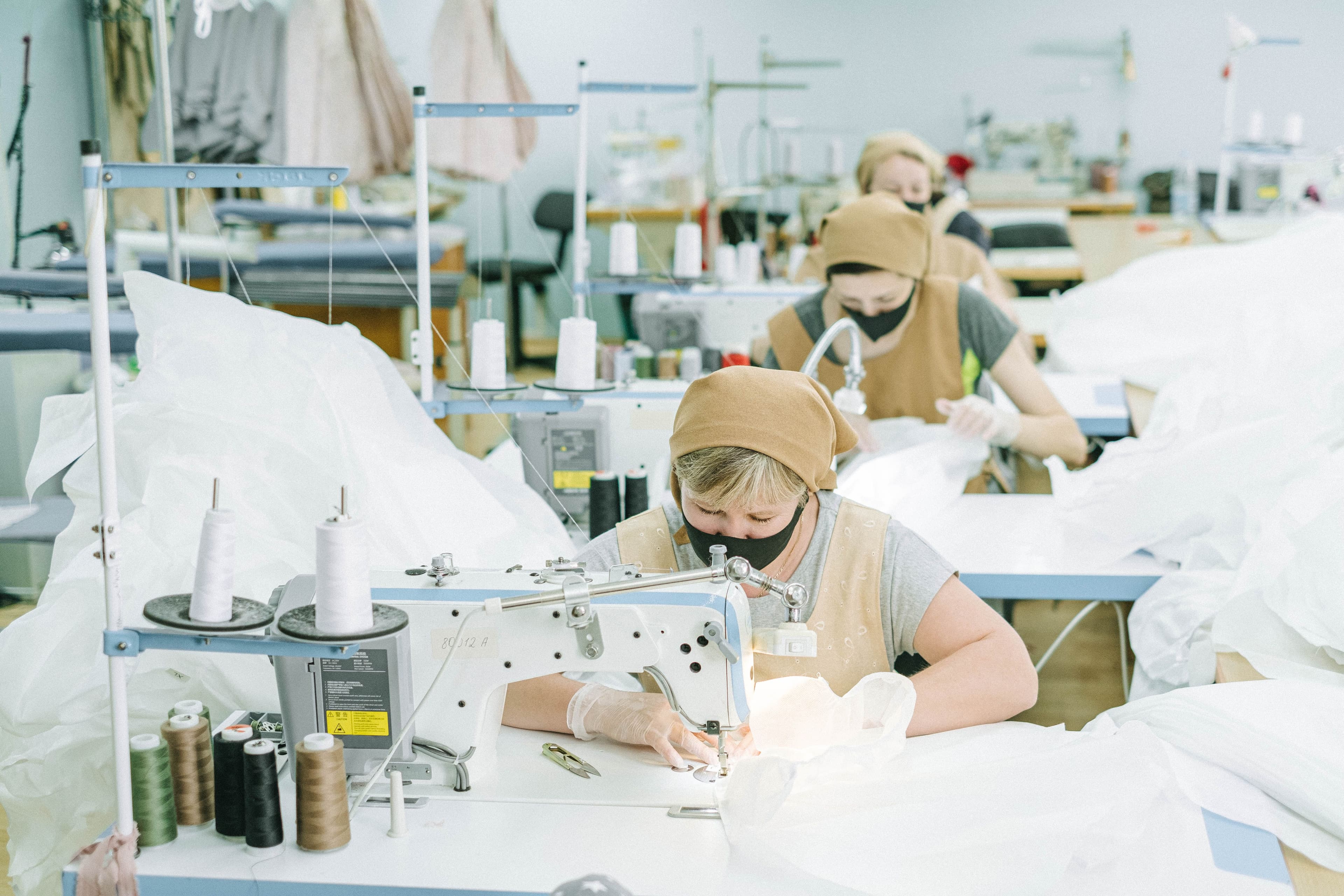
Sample approval should check construction details that can be repeated during sewing line production.
Choose a manufacturer with outerwear controls
The right manufacturer should understand outerwear fabric, lining, trims, technical sewing, quality control, packing, and export documentation. Price matters, but the cheapest quote can become expensive if the factory cannot control fabric, samples, measurements, workmanship, or delivery timing.
Use a supplier evaluation matrix with practical criteria: outerwear experience, fabric sourcing, trim sourcing, sample capability, quality control, communication, minimum order quantity flexibility, lead time stability, export experience, and pricing transparency. Score each supplier from 1 to 5, then review the risk behind the score.
Direct factory communication can improve control, but ownership alone is not enough. Ask how the factory checks materials, records sample comments, manages inline inspection, controls measurements, verifies packing, and handles buyer document requests.
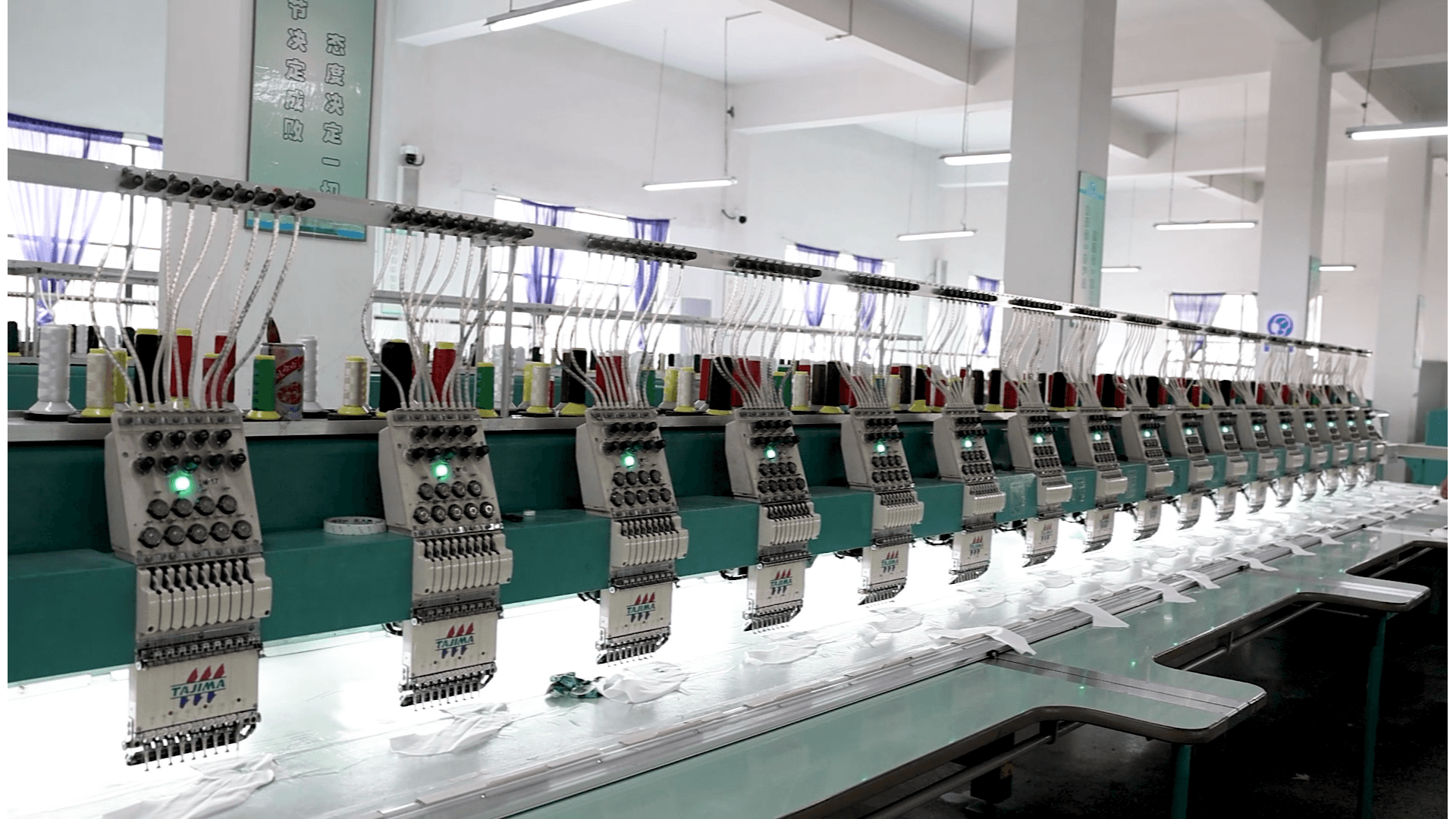
For outerwear sourcing, buyers should review whether the factory can connect material preparation, sewing, inspection, packing, and shipment records.
Plan MOQ, lead time, and inventory before bulk production
Minimum order quantity is not one fixed number. It depends on fabric availability, color count, size range, lining, zippers, drawcords, labels, print or embroidery, packing materials, carton marks, and whether the fabric must be custom booked.
A practical launch range for many private label jacket programs is 100 to 300 pieces per style when materials are available. Growth orders may move toward 300 to 500 pieces per style, and scaling programs may require 500 pieces or more. The right number depends on cash flow, sales channel, reorder plan, and production efficiency.
These ranges are based on standard private label outdoor jacket projects with available fabrics and trims. Fabric availability can lower or raise MOQ because stock fabrics, booked fabrics, and custom colors follow different supplier rules. Trim availability also matters because zippers, drawcords, pullers, labels, and packing items may have their own minimums and supplier lead times.
Sample approval affects both timing and cost control. A project with approved fabric, confirmed trims, clear measurements, and signed-off artwork can move toward bulk production faster. A project that still needs fabric changes, zipper replacement, logo revision, size correction, or packing file approval should allow more time before production dates are confirmed.
A realistic timeline can include 1 to 3 weeks for product development, 10 to 20 days for sampling, 1 to 2 weeks for sample revision, and 30 to 55 days for bulk production after approval and material readiness. Shipping depends on destination, freight method, customs process, carton count, and buyer delivery window.
Use quality records before making performance claims
Quality control for outdoor jackets should cover material inspection, pre-production approval, inline sewing checks, measurement control, workmanship review, final inspection, packing verification, and shipment documents. For performance products, test records can be as important as visual inspection.
Use laboratory testing when you intend to make waterproof, color fastness, fiber content, dimensional stability, durability, or compliance claims. The test report should match the actual fabric, sample, claim, production scope, and destination market.
Coverenta treats testing reports as project evidence, not decoration. A report is useful when the buyer can connect it to the material, product, claim, and shipment file. It should not be used as a generic certification claim outside its scope.
Testing report overview pages help buyers check sample information, applicant details, and report context.
Color fastness and material records support buyer review when fabric or performance claims must be documented.
Confirm packing and shipment details early
Private label packing should be part of the production file, not a last-minute step. Confirm care label content, woven label, hangtag, size sticker, barcode label, polybag, carton mark, carton ratio, folding method, and destination requirements before bulk packing starts.
Ecommerce, wholesale, Amazon, corporate uniform, and retail programs can need different packing rules. Missing carton marks, barcode details, or hangtag files can delay shipment even when the jackets are finished.
For outdoor jackets, packing also affects perceived quality. Bulky puffers, fleece jackets, laminated shells, and structured softshells may need different folding and carton planning to reduce creasing, compression, or handling issues.
Avoid the common mistakes new jacket brands make
The first mistake is choosing a supplier only by price. Low unit cost does not help if fabric fails testing, the fit changes after production, zippers are inconsistent, or shipment misses the launch window.
The second mistake is launching too many products. Too many jacket styles, colors, and sizes can increase minimum order quantity pressure, sample cost, inventory risk, and packing complexity.
The third mistake is treating testing as optional after making performance claims. Waterproof, windproof, color fastness, fiber content, and durability statements need evidence that matches the product and market. The fourth mistake is leaving packing files until the end, when labels, barcodes, hangtags, and carton marks can still stop shipment.
How Coverenta supports private label outdoor jacket programs
Coverenta supports apparel buyers from the first product brief to export-ready packing. For outdoor jackets, the review starts with jacket type, target market, shell fabric, lining, trims, construction, performance claims, quantity, label needs, packing rules, and destination market.
The production plan can include fabric sourcing, sample development, trim matching, cutting, sewing line setup, inline checks, measurement review, testing record coordination, final inspection, polybag packing, carton marks, and shipment handoff.
If you are preparing a private label outdoor jacket brand, send a reference jacket, tech pack, target quantity, fabric direction, size range, color plan, logo method, packing needs, and target market. A clearer brief helps the factory review feasibility, minimum order quantity, sampling plan, lead time, quality records, and next questions.
A real factory workflow connects sampling, fabric sourcing, sewing production, quality records, packing, and shipment preparation.
Author
Coverenta Editorial Team
Apparel Manufacturing Editors
The Coverenta editorial team documents practical apparel manufacturing decisions for brand buyers, sourcing teams, and product developers.
Fuentes
Referencias usadas para esta guia.
FAQ
Questions this article answers.
What information should I prepare before contacting an outdoor jacket manufacturer?
Prepare your target customer, jacket type, reference photos, tech pack if available, fabric direction, size range, color count, logo method, target quantity, packing needs, destination market, and target launch date.
What is the typical MOQ for private label outdoor jackets?
A realistic starting point is often 100 to 300 pieces per style when fabric and trims are available, but MOQ changes with fabric booking, color count, size range, lining, zipper choice, decoration, and packing requirements.
How long does outdoor jacket sampling take?
Many outdoor jacket samples take about 10 to 20 days after fabric, trim, measurement, and logo details are confirmed. More technical jackets can take longer when laminated fabrics, seam taping, quilting, or special hardware must be sourced.
How long does bulk production take after sample approval?
Bulk production commonly needs 30 to 55 days after sample approval and material readiness. Fabric booking, zipper lead time, print or embroidery approval, and packing files can add time before sewing starts.
What is the difference between waterproof, water-resistant, and windproof jackets?
Water-resistant jackets can handle light moisture. Waterproof jackets need a suitable shell fabric, coating or membrane, and construction choices such as seam taping. Windproof jackets focus on blocking air penetration, which is a different performance requirement.
Do private label outdoor jackets need lab testing?
Lab testing is recommended when you plan to make waterproof, color fastness, fiber content, durability, or compliance claims. Testing helps buyers avoid unsupported performance statements.
What test reports are useful for waterproof jackets?
Useful reports can include hydrostatic pressure, color fastness, fiber composition, dimensional stability, seam strength, and fabric performance tests. The right report depends on the claim, fabric, order scope, and destination market.
Should I start with a softshell jacket, windbreaker, puffer, or fleece jacket?
Start with the jacket type that matches your buyer and price point. Windbreakers are lighter and easier to launch. Softshell jackets need fabric and fit control. Puffers need shell, lining, filling, and quilting decisions. Fleece jackets are useful for outdoor lifestyle and teamwear programs.
How many colors and sizes should a new jacket brand launch with?
A focused launch is safer than a broad assortment. Many new brands begin with one or two jacket styles, two or three core colors, and a controlled size range before expanding after sales data and buyer feedback.
What causes outdoor jacket production delays?
Common delay points include late fabric confirmation, unavailable zippers, unclear measurement files, missing artwork, unapproved labels, seam taping decisions, and unfinished carton or barcode requirements.
Can a factory help source waterproof fabric and trims?
A factory can help source shell fabric, lining, rib, zipper, puller, drawcord, label, print, embroidery, polybag, carton mark, and test report options, but buyers should still approve performance, handfeel, color, and claim requirements.
What should be checked before approving bulk production?
Check fabric, color, handfeel, measurements, seam construction, zipper function, hood and cuff details, logo placement, label content, packing method, carton marks, and any required test reports before bulk production starts.
What documents should I send to get an accurate outdoor jacket quote?
Send a reference jacket or photos, target quantity, size range, color plan, fabric direction, trim details, logo method, label and packing files, destination market, and any required testing scope. A tech pack and measurement table make the quote more accurate.
What is the difference between a fit sample and a pre-production sample?
A fit sample checks measurements, comfort, shape, and construction direction. A pre-production sample is reviewed after key materials, trims, labels, logo method, and packing details are closer to bulk production.
Which jacket details usually increase MOQ?
Custom shell fabric, special lining, exclusive colors, branded zippers, custom pullers, seam taping, quilting, embroidery, print placement, many sizes, many colors, and special packing materials can increase MOQ.
When should waterproof testing be arranged?
Waterproof testing should be discussed before sample approval and arranged when the buyer plans to make a waterproof or water-resistant claim. The test should match the fabric, coating or membrane, construction, and destination market.
How can buyers verify waterproof claims?
Buyers can review the test method, sample description, fabric reference, hydrostatic pressure result, report date, and whether the tested material matches the production fabric. Reports should support the specific product claim, not a general marketing statement.
What packing files are needed before shipment?
Common packing files include care label content, woven label artwork, hangtag artwork, barcode labels, size stickers, polybag requirements, carton marks, carton ratio, folding method, and destination-specific packing instructions.
Can Coverenta source documented fabrics?
Coverenta can review documented fabric options with suppliers when a buyer needs material records, testing evidence, or specific fabric information. Availability depends on the fabric type, supplier stock, order quantity, and the documentation scope requested.
What trim details affect lead time?
Zipper type, zipper color, custom pullers, snaps, drawcords, cord locks, elastic cuffs, reflective tape, labels, hangtags, embroidery patches, and special packaging can affect lead time when they need supplier confirmation or custom production.
Related Posts
Continue reading.
How to start a private label activewear brand
A practical guide for launching a private label activewear line, from leggings, sports bras, training tops, and sets to fabric choice, samples, MOQ planning, and bulk production.
Read ArticleHow to start a private label hoodie brand
A search-focused guide for launching private label hoodies, covering fleece, French terry, fit, labels, embroidery, MOQ, sampling, bulk production, and packing.
Read ArticleHow to start a private label sportswear brand
A manufacturing guide for private label sportswear brands, covering product range, fabric sourcing, sample approval, quality records, MOQ, packing, and export-ready production.
Read Article