
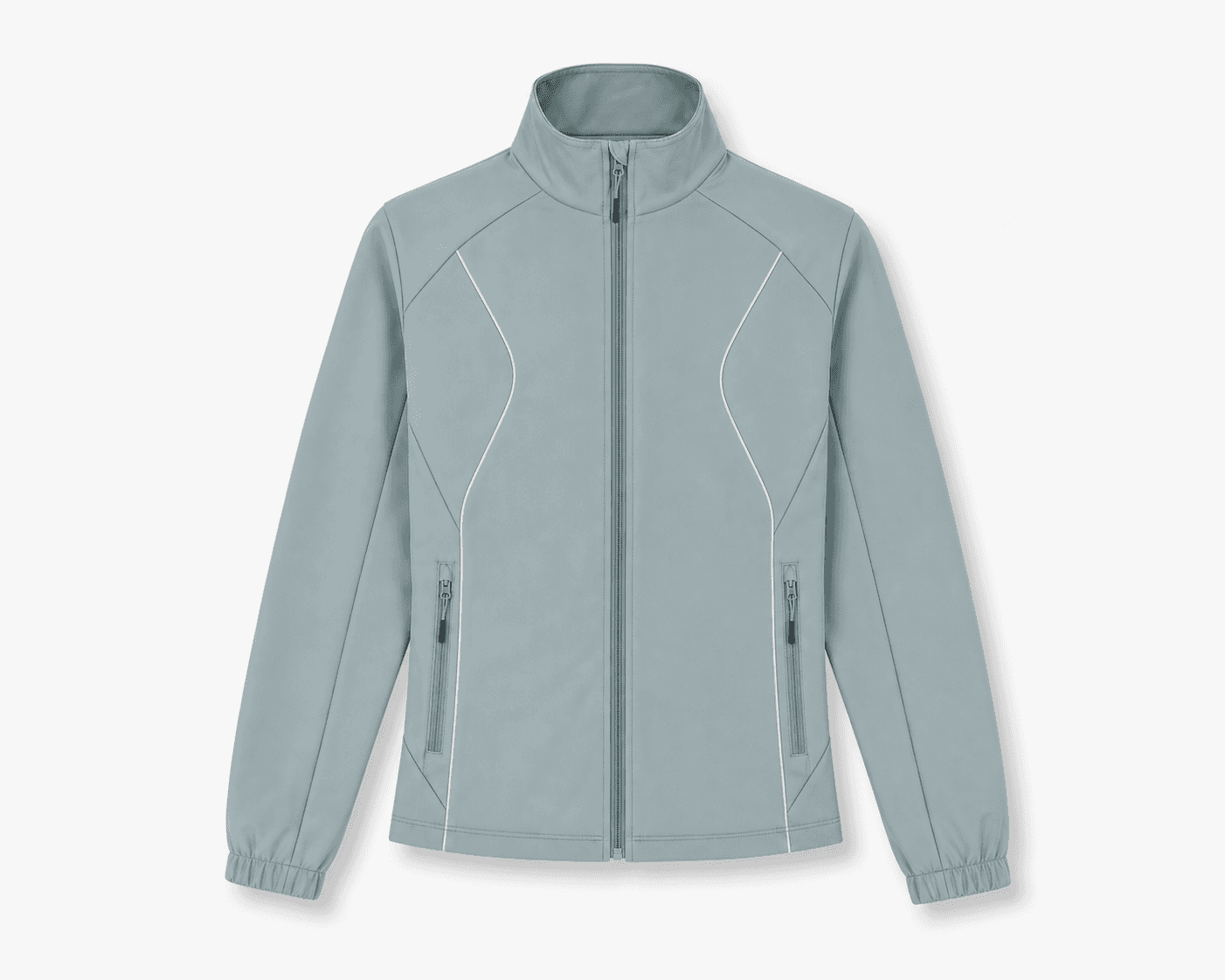
Buyer Education
How To Prepare An Apparel Manufacturing Brief
A practical checklist for apparel buyers preparing a factory inquiry, quote request, tech pack, product reference, MOQ target, sampling plan, and private label packing details.
Quick answer
To prepare an apparel manufacturing brief, give the clothing manufacturer enough information to review product feasibility, MOQ, sampling, fabric sourcing, sewing production, quality control, packing, and shipment. A clear brief does not need to be perfect, but it should reduce guessing.
Useful files include a tech pack, reference photos, measurement table, fabric direction, artwork, label notes, packing rules, target quantity, destination market, and launch timing.
For private label clothing, the brief should also explain brand labels, care labels, hangtags, polybags, carton marks, barcode labels, and any Amazon or retail packing requirements.
Define the product scope before asking for price
A factory cannot price a hoodie, activewear set, jacket, jersey, or uniform accurately from a product name alone. Product type, fabric, size range, construction, decoration, labels, and packing all affect cost.
Start with one clear product direction. If you are comparing several styles, separate them by category and quantity so the manufacturer can review fabric availability, sewing complexity, and trim needs.
A focused brief helps both sides avoid fake accuracy. The goal is to understand what can be sampled, what needs supplier confirmation, and what information is still missing.
A focused product scope helps a clothing manufacturer review fabric, measurements, trims, labels, and packing before quoting.
Prepare tech pack, reference, and measurement information
A tech pack is useful because it gives the factory construction details, measurements, artwork, fabric composition, trims, labels, and packing notes in one file.
If you do not have a full tech pack, send reference photos, sample garment photos, target fit notes, rough measurements, fabric handfeel, logo placement, and examples from your market.
Measurement information matters because sampling and bulk production depend on size tolerance. Even a simple size chart can help the manufacturer check whether the fit target is realistic.
Explain target MOQ, fabric direction, and color plan
MOQ is affected by fabric availability, color count, size range, trim supplier minimums, logo method, label production, and packing material requirements.
A low MOQ clothing manufacturer can often review available fabrics and simple trims faster than custom-developed materials. Custom colors, special coatings, branded zippers, or complex packaging may raise MOQ.
Share your target quantity honestly. If you need a pilot run, say so. If you expect repeat orders, explain the launch plan so the factory can separate first-order constraints from long-term production planning.
Include private label packing and shipment needs
Private label packing should be part of the first manufacturing brief. Care labels, woven labels, hangtags, size stickers, polybags, barcode labels, carton marks, and carton ratios can all affect lead time.
Ecommerce, Amazon, wholesale, corporate uniform, and retail programs need different packing files. Missing FNSKU, barcode, carton mark, or hangtag details can delay shipment after the garments are finished.
Tell the manufacturer the destination market and preferred shipment method. This helps align packing list, carton planning, forwarder handoff, and export-ready shipment preparation.
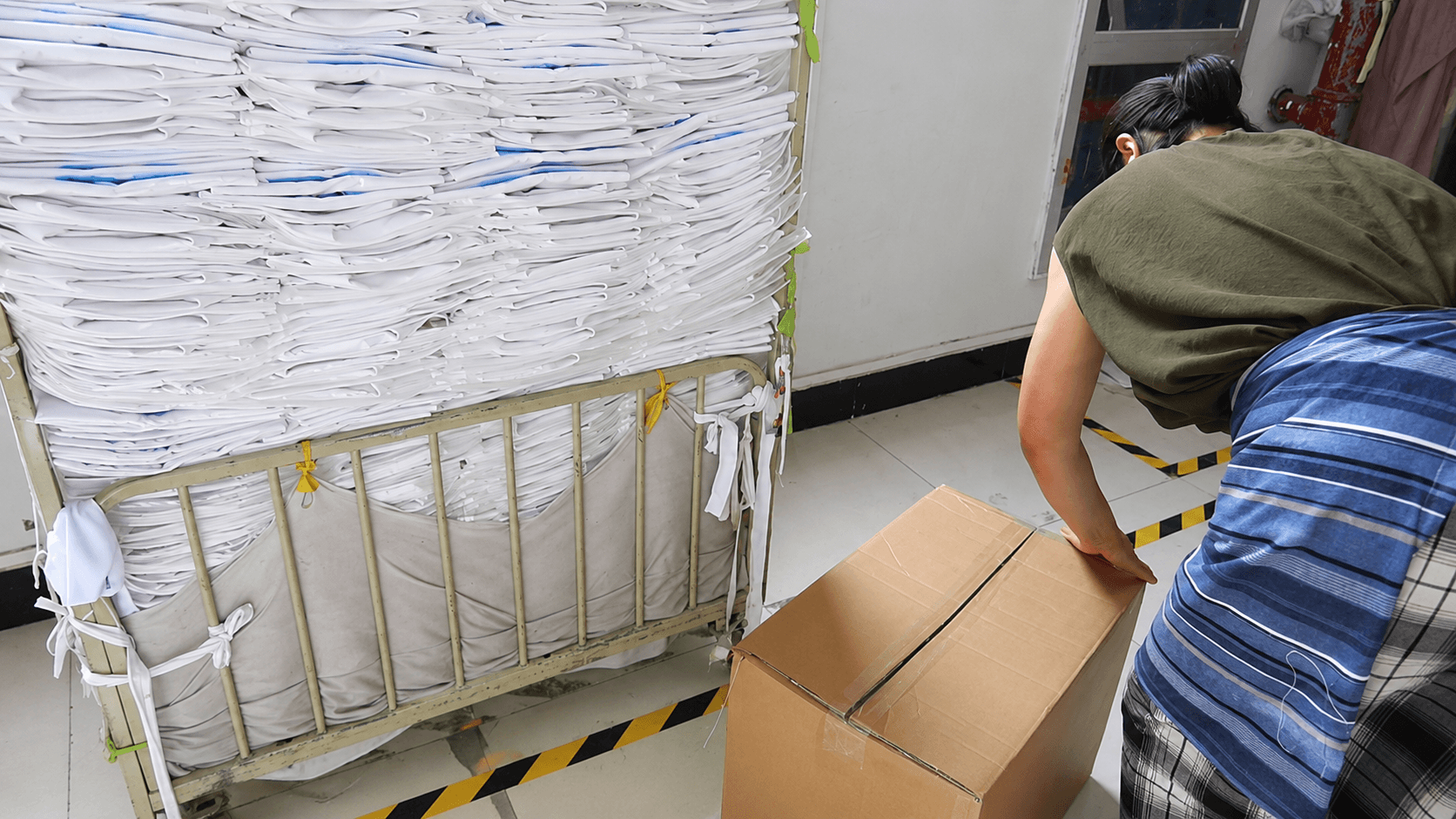
Packing files should be confirmed before bulk packout, especially for private label and ecommerce orders.
How Coverenta reviews apparel manufacturing briefs
Coverenta reviews buyer briefs by product category, fabric direction, available materials, trim lead time, sample feasibility, MOQ, quality risk, packing requirements, and destination market.
The first review is not only a sales reply. It checks whether the project has enough detail for sampling, whether any fabric or trim needs supplier confirmation, and which questions must be answered before a reliable quote.
A stronger brief usually leads to faster sampling direction, fewer repeated questions, clearer MOQ discussion, and better production planning.
Author
Coverenta Editorial Team
Apparel Manufacturing Editors
The Coverenta editorial team documents practical apparel manufacturing decisions for brand buyers, sourcing teams, and product developers.
FAQ
Questions this article answers.
What should I send to a clothing manufacturer for a quote?
Send product category, tech pack or reference photos, target quantity, fabric direction, size range, logo method, label needs, packing requirements, destination market, and timeline.
Can I ask for a quote without a full tech pack?
Yes, but the quote will be more accurate if you provide reference garments, measurements, fabric notes, artwork, label details, and target MOQ. Missing details usually create follow-up questions.
Why does MOQ change after the first brief?
MOQ can change when the fabric, color count, size range, trims, logo method, labels, or packing materials require supplier minimums or extra production setup.
What makes an apparel manufacturing brief easier to review?
Clear files, realistic quantities, fabric direction, approved artwork, packing notes, and a delivery market help the factory review sampling, cost, lead time, and production feasibility faster.
Related Posts
Continue reading.
Low MOQ Private Label Clothing Manufacturer in China: What Buyers Should Know
A practical guide for startups and apparel buyers comparing low MOQ clothing manufacturers in China, private label options, sampling, fabric availability, and production tradeoffs.
Read ArticleOEM vs ODM Clothing Manufacturer: Which Approach Fits Your Apparel Brand?
A buyer-focused comparison of OEM vs ODM clothing manufacturing, when each approach fits, what files are needed, and how private label apparel projects move from idea to production.
Read ArticleA Private Label Packout Checklist For Apparel Buyers
A practical private label packout checklist for apparel buyers preparing labels, hangtags, barcodes, polybags, carton marks, packing lists, and shipment-ready files.
Read Article