
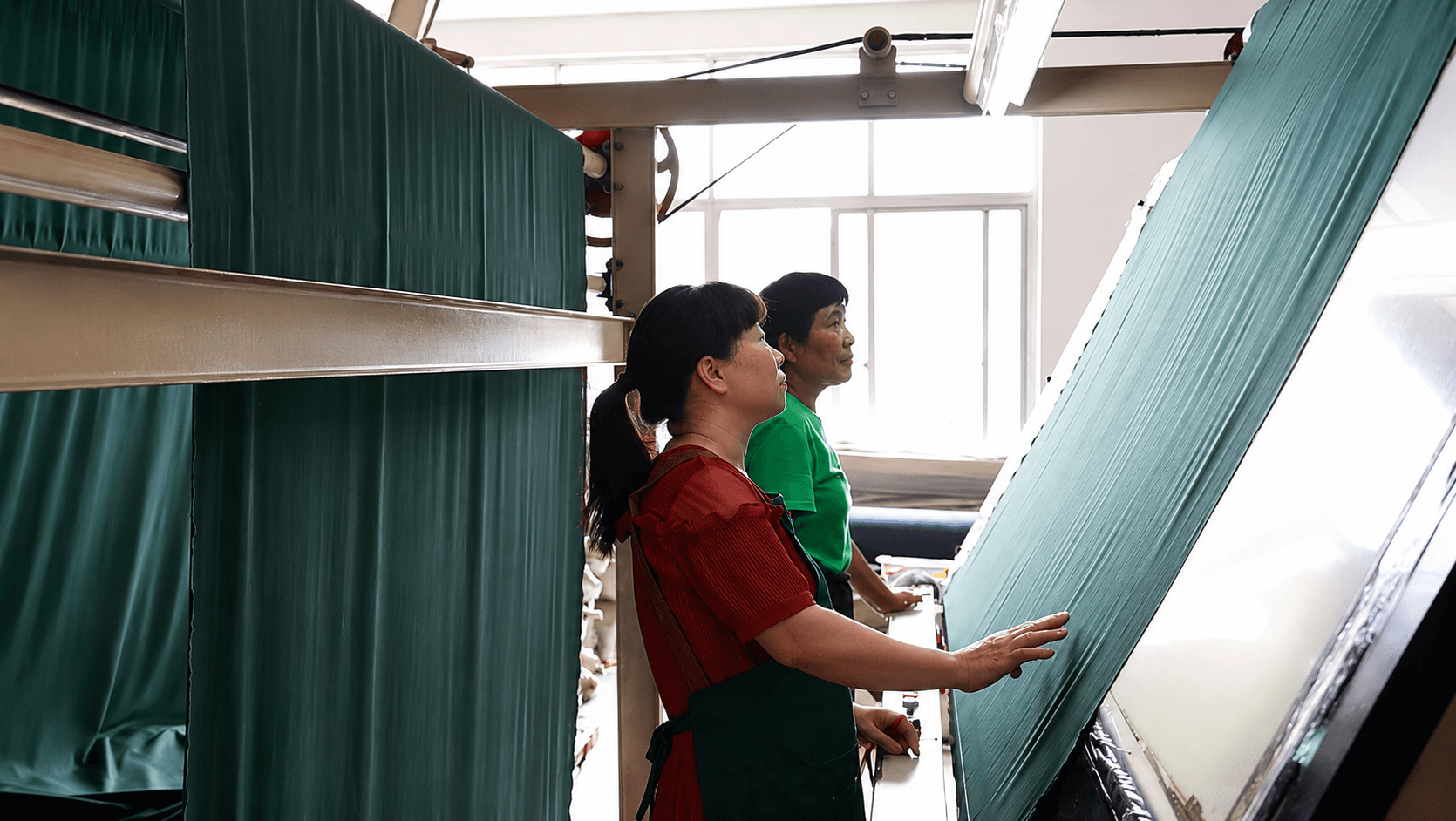
Controle qualite
Fabric Inspection Before Cutting: Why Apparel Buyers Should Ask
A factory-floor guide to fabric inspection before cutting, why it separates stronger apparel manufacturers from weaker ones, and what buyers should ask before production starts.
Quick answer
Fabric inspection before cutting is one of the most important quality control gates in apparel manufacturing. It helps the factory catch shade, width, weight, handfeel, shrinkage, and visible defect risks before cutting multiplies the issue.
This step matters for private label clothing, activewear, sportswear, outerwear, uniforms, and any product where material consistency affects fit, appearance, performance, or buyer claims.
A good factory treats fabric inspection as production control, not as decoration for a website.
What fabric inspection should check
Common fabric inspection points include width, weight, color shade, surface defects, holes, stains, slubs, handfeel, stretch direction, shrinkage direction, coating consistency, and composition document readiness.
For printed, coated, waterproof, or stretch fabrics, the factory may need additional review based on product risk and buyer requirements.
The goal is to decide whether the material is ready for cutting, needs separation by shade, requires supplier review, or should not be used for the order.
Fabric inspection before cutting helps prevent material problems from becoming garment-level defects.
Why fabric inspection separates stronger factories from weaker factories
A stronger apparel factory checks material risk before the sewing line starts. A weaker process may cut fabric first and discover problems later during sewing, final inspection, or buyer review.
Once fabric is cut, shade issues, width errors, defect placement, and shrinkage problems are harder to isolate. The cost of correction rises because panels, sewing time, and packing schedules are already involved.
For buyers, fabric inspection is a practical sign that the factory understands production risk before it becomes a shipment problem.
Questions buyers should ask about fabric inspection
Ask whether fabric is checked before cutting, which points are reviewed, how defects are recorded, whether shade grouping is used, and how material issues are communicated.
Ask whether inspection connects to the approved sample and whether fabric documents or testing records are available when composition, color fastness, waterproof, or other claims matter.
For low MOQ orders, ask whether available fabrics have already been checked and whether supplier minimums affect replacement options.
How Coverenta uses fabric inspection
Coverenta uses fabric inspection to review material readiness before cutting, including shade, handfeel, width, weight, shrinkage direction, visible defects, and document context where relevant.
The inspection result informs cutting, sewing line setup, sample comparison, inline QC focus, and final buyer review.
This helps apparel buyers connect material control with the rest of the factory workflow: sampling, cutting, sewing, measurement review, packing, and export-ready shipment.
Author
Coverenta Editorial Team
Apparel Manufacturing Editors
The Coverenta editorial team documents practical apparel manufacturing decisions for brand buyers, sourcing teams, and product developers.
FAQ
Questions this article answers.
What is fabric inspection before cutting?
Fabric inspection before cutting is the review of fabric width, weight, color shade, handfeel, defects, shrinkage direction, and document readiness before panels are cut for sewing.
Why should fabric be inspected before cutting?
Fabric should be inspected before cutting because shade, defect, width, or shrinkage problems become much harder to control after the material is cut into garment panels.
What problems can fabric inspection catch?
Fabric inspection can catch holes, stains, shade variation, wrong width, weight differences, handfeel inconsistency, printing defects, coating issues, and material mismatch.
Should buyers ask for fabric inspection records?
Yes. Buyers can ask what checks were performed, whether material issues were found, and how records connect to the actual order and quality control process.
Related Posts
Continue reading.
Quality Control Questions To Ask Before Bulk Production
A factory-floor checklist for apparel quality control before bulk production, including fabric inspection, fit approval, inline checks, measurement control, AQL review, and packout.
Read ArticleWhat Apparel Certificate Readiness Really Means
A practical guide to apparel certificate readiness, testing reports, quality evidence, supplier documents, and why fabric claims must match the actual order scope.
Read ArticleHow to Start a Private Label Outdoor Jacket Brand
A practical manufacturing guide for building a private label outdoor jacket line, from product positioning and fabric sourcing to samples, testing records, MOQ planning, and export-ready packing.
Read Article