
Product Guides
How to start a private label activewear brand
A practical guide for launching a private label activewear line, from leggings, sports bras, training tops, and sets to fabric choice, samples, MOQ planning, and bulk production.
Quick answer
To start a private label activewear brand, choose a focused product range, define the target buyer, prepare fabric and fit requirements, approve samples, confirm MOQ and lead time, and work with an activewear manufacturer that can control stretch fabrics, seams, measurements, labels, packing, and quality records.
The safest first launch is usually narrow: one or two styles, a small color range, and a controlled size set. This protects cash flow while the brand validates fit, demand, and reorder potential.
Activewear success depends on fabric and fit more than decoration. Buyers should confirm stretch, recovery, opacity, handfeel, waistband control, stitching, logo durability, and packing before bulk production.
Define the activewear brand position
Activewear can serve gym training, yoga, running, athleisure, team programs, ecommerce, or lifestyle retail. Each buyer group expects a different fabric, fit, price point, and quality level.
Budget activewear needs cost control and reliable basics. Mid-range brands need fit consistency and clean branding. Premium technical activewear needs fabric performance, construction control, and testing discipline.
Before asking for a quote, decide whether the brand is built around compression, comfort, shaping, modest coverage, quick-dry training, streetwear crossover, or private label sets.
Select a focused activewear product range
New private label activewear brands often start with leggings, sports bras, training tops, bike shorts, joggers, hoodies, or coordinated sets. Starting with a few related items makes fabric booking and size grading easier.
Too many styles create sample pressure, extra fabric colors, higher MOQ, more size testing, and more inventory risk. A tight first range helps the buyer learn which fit, fabric, and price level converts.
Coverenta reviews activewear projects by fabric direction, stretch level, opacity, construction, size range, logo method, label needs, packing rules, and destination market.
Activewear programs should begin with a focused product direction so fabric, fit, logo placement, and packing can be reviewed before scaling.
Plan fabric, stretch, fit, and testing together
Fabric decisions shape almost every activewear outcome. Nylon-spandex can support smooth handfeel and recovery. Polyester-spandex can work for quick-dry training pieces. Cotton blends are useful for lifestyle activewear but may not support the same performance claims.
Key checks include stretch recovery, opacity under movement, color performance, shrinkage, seam strength, and print durability. These checks should happen before bulk production, not after customer complaints.
Testing records are useful when buyers need evidence for material composition, color fastness, or performance claims. They should match the actual fabric and order scope.
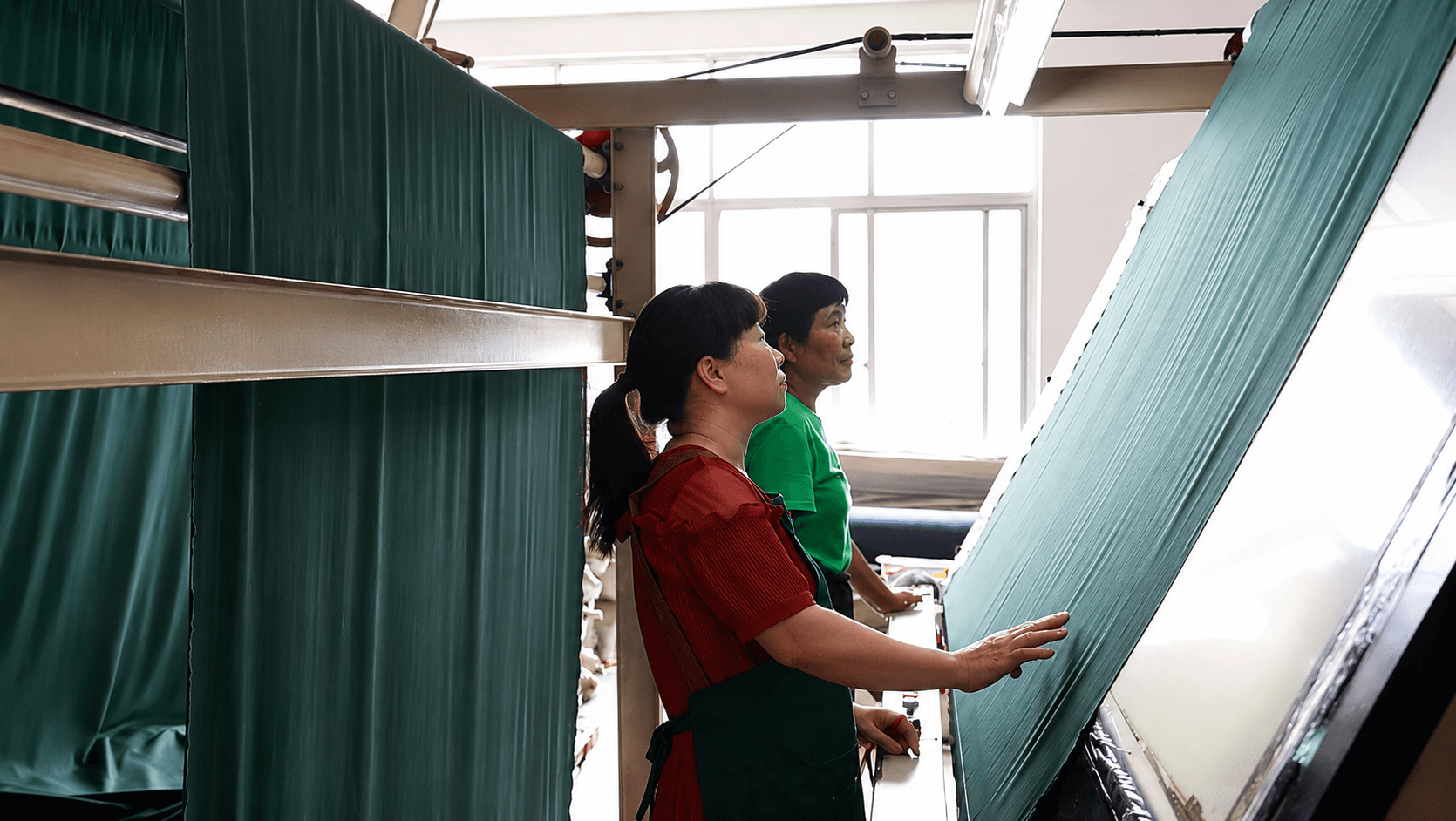
Fabric inspection helps confirm handfeel, color, stretch direction, and material readiness before cutting.
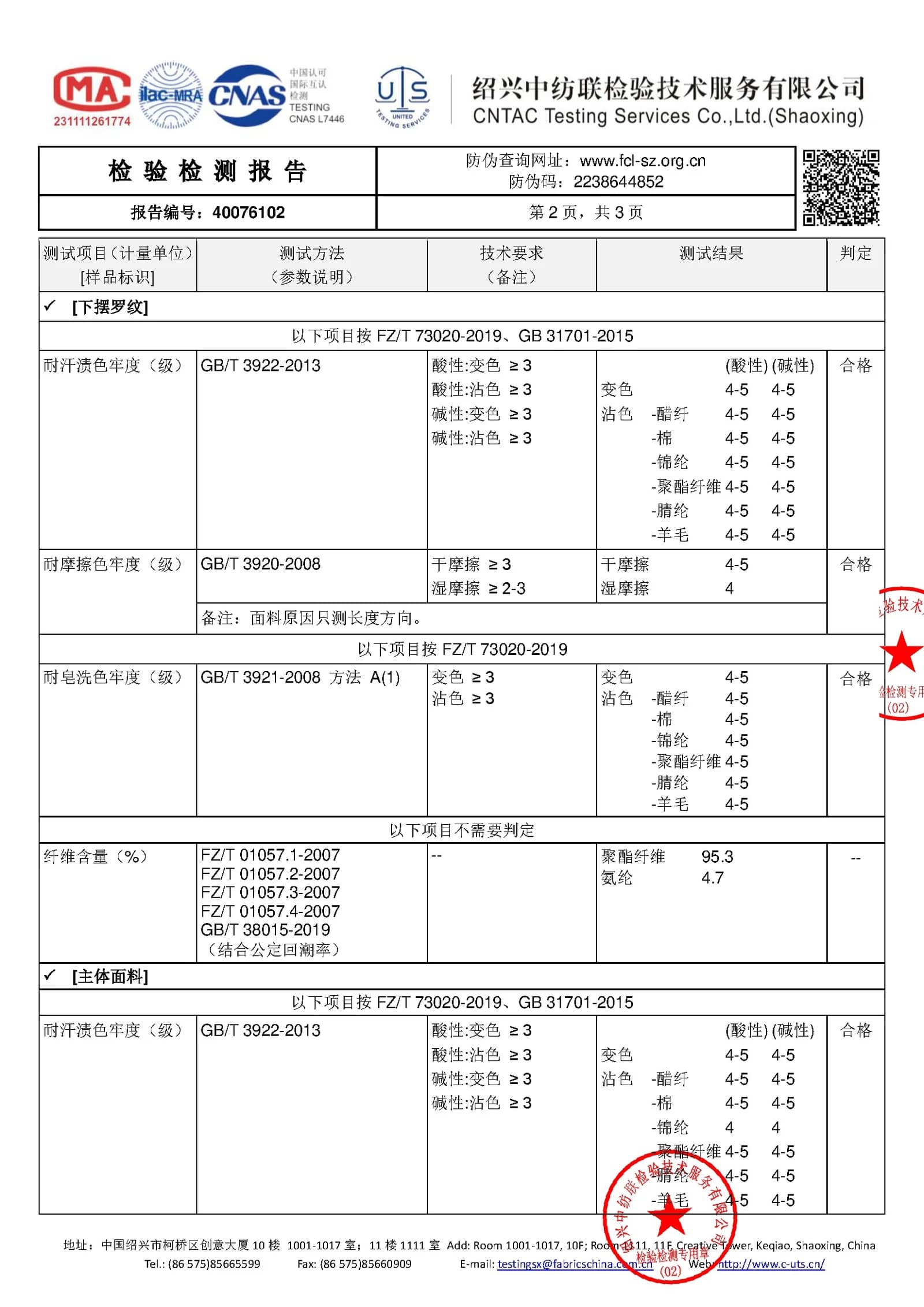
Testing records support buyer review when material, color, or performance claims need documentation.
Use samples to verify fit before production
Activewear sampling should check fabric handfeel, stretch recovery, opacity, waistband control, seam placement, size tolerance, logo position, and movement comfort.
A good activewear sample is not only a good photo sample. It must be repeatable on a sewing line across sizes and colors. Review sample comments in writing and confirm revisions before bulk material booking.
If the brand sells through ecommerce, sample review should also include packing, size sticker, barcode label, polybag, and carton needs.
Choose an activewear manufacturer with fabric and fit control
A reliable private label activewear manufacturer should understand performance knits, elastic recovery, measurement tolerance, logo methods, sewing details, and packing requirements.
Evaluate the factory by sample quality, communication speed, fabric sourcing ability, MOQ flexibility, lead time stability, quality control, and export experience.
Coverenta supports activewear buyers with fabric sourcing, sample development, sewing production, inline checks, quality records, private label packing, and shipment preparation.
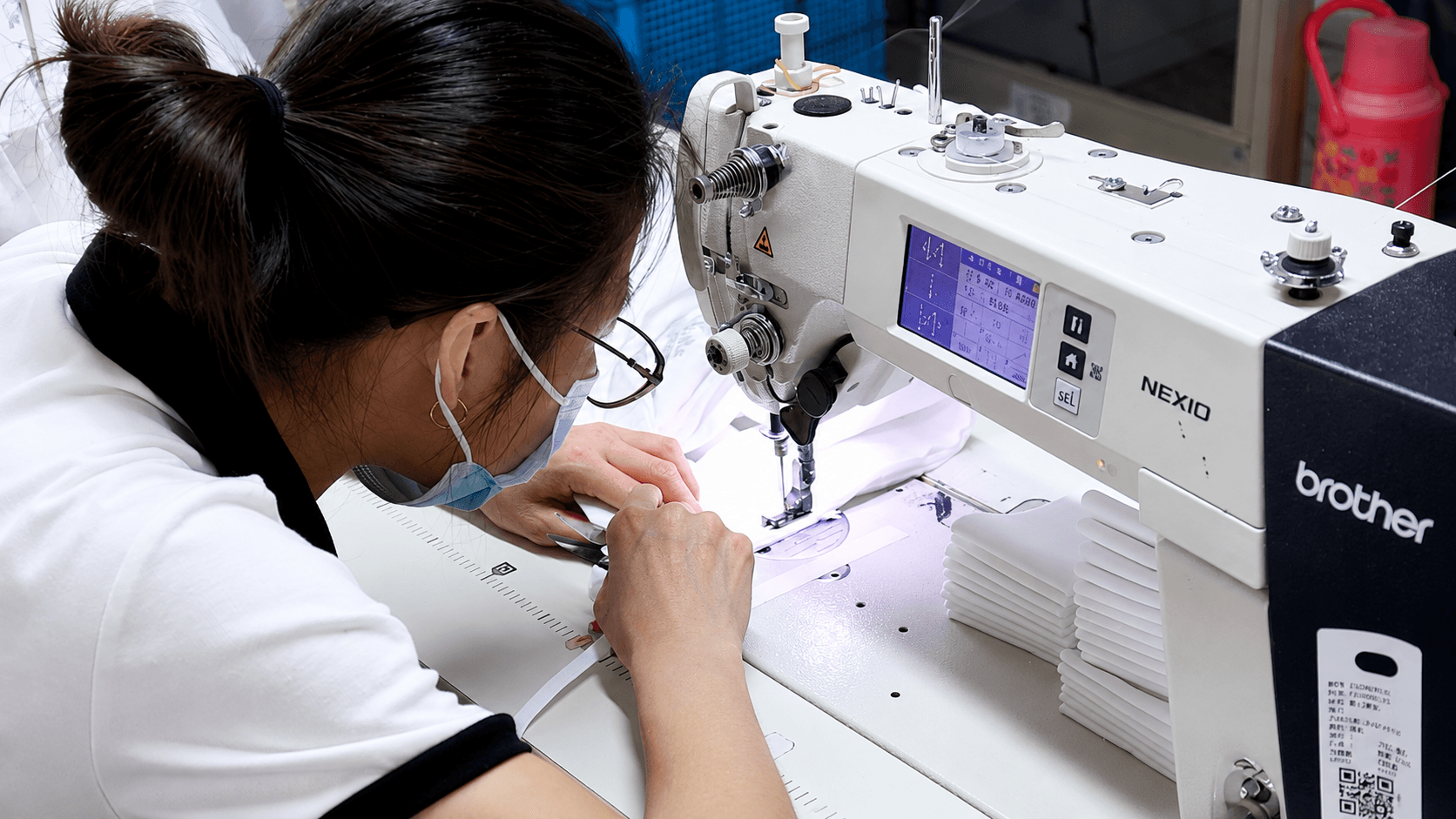
Activewear production needs controlled sewing, measurement review, quality records, and packing discipline.
Plan MOQ, lead time, and inventory risk
MOQ depends on fabric availability, color count, size range, logo method, trims, labels, and packing materials. A practical first order often stays focused so the buyer can test fit and sales before expanding.
A realistic production plan includes product file review, fabric confirmation, first sample, revised sample, pre-production approval, bulk material booking, cutting, sewing, inspection, packing, and shipment.
The most common activewear delays come from late fabric decisions, unclear measurements, unapproved artwork, changing colors after sampling, and unfinished packing files.
Author
Coverenta Editorial Team
Apparel Manufacturing Editors
The Coverenta editorial team documents practical apparel manufacturing decisions for brand buyers, sourcing teams, and product developers.
FAQ
Questions this article answers.
What should I prepare before contacting a private label activewear manufacturer?
Prepare the activewear category, reference photos, target fabric, stretch level, size range, color count, logo method, target quantity, packing needs, destination market, and launch timeline.
What is the typical MOQ for private label activewear?
Many starter activewear programs begin around 100 to 300 pieces per style when fabric is available, but MOQ changes with fabric weight, color count, size range, trims, logo method, and packing requirements.
Which products should a new activewear brand launch first?
A focused launch often starts with leggings, training tops, sports bras, bike shorts, hoodies, or a two-piece set. Avoid too many fabrics and colors until fit and demand are validated.
What fabrics are common for private label activewear?
Common options include nylon-spandex, polyester-spandex, brushed performance knits, rib knits, quick-dry fabrics, and cotton blends for lifestyle activewear.
How long does activewear sampling take?
Sampling often takes about 10 to 20 days after fabric, measurement, logo, and construction details are clear. Complex compression, cutout, bonding, or print details can take longer.
What quality issues matter most in activewear?
Key checks include stretch recovery, opacity, seam strength, measurement tolerance, color fastness, print durability, waistband control, and fit consistency across sizes.
Can a factory help with activewear fabric sourcing?
A factory can help source performance knits, rib, mesh, elastic, drawcord, labels, heat transfer logos, and packing materials, but buyers should approve handfeel, stretch, color, and test needs.
How do I choose the right activewear manufacturer?
Review sample quality, fabric sourcing ability, sewing control, measurement discipline, communication speed, MOQ flexibility, lead time stability, and export packing experience.
Related Posts
Continue reading.
How to start a private label sportswear brand
A manufacturing guide for private label sportswear brands, covering product range, fabric sourcing, sample approval, quality records, MOQ, packing, and export-ready production.
Read ArticleHow to start a private label hoodie brand
A search-focused guide for launching private label hoodies, covering fleece, French terry, fit, labels, embroidery, MOQ, sampling, bulk production, and packing.
Read ArticleHow to Start a Private Label Outdoor Jacket Brand
A practical manufacturing guide for building a private label outdoor jacket line, from product positioning and fabric sourcing to samples, testing records, MOQ planning, and export-ready packing.
Read Article