
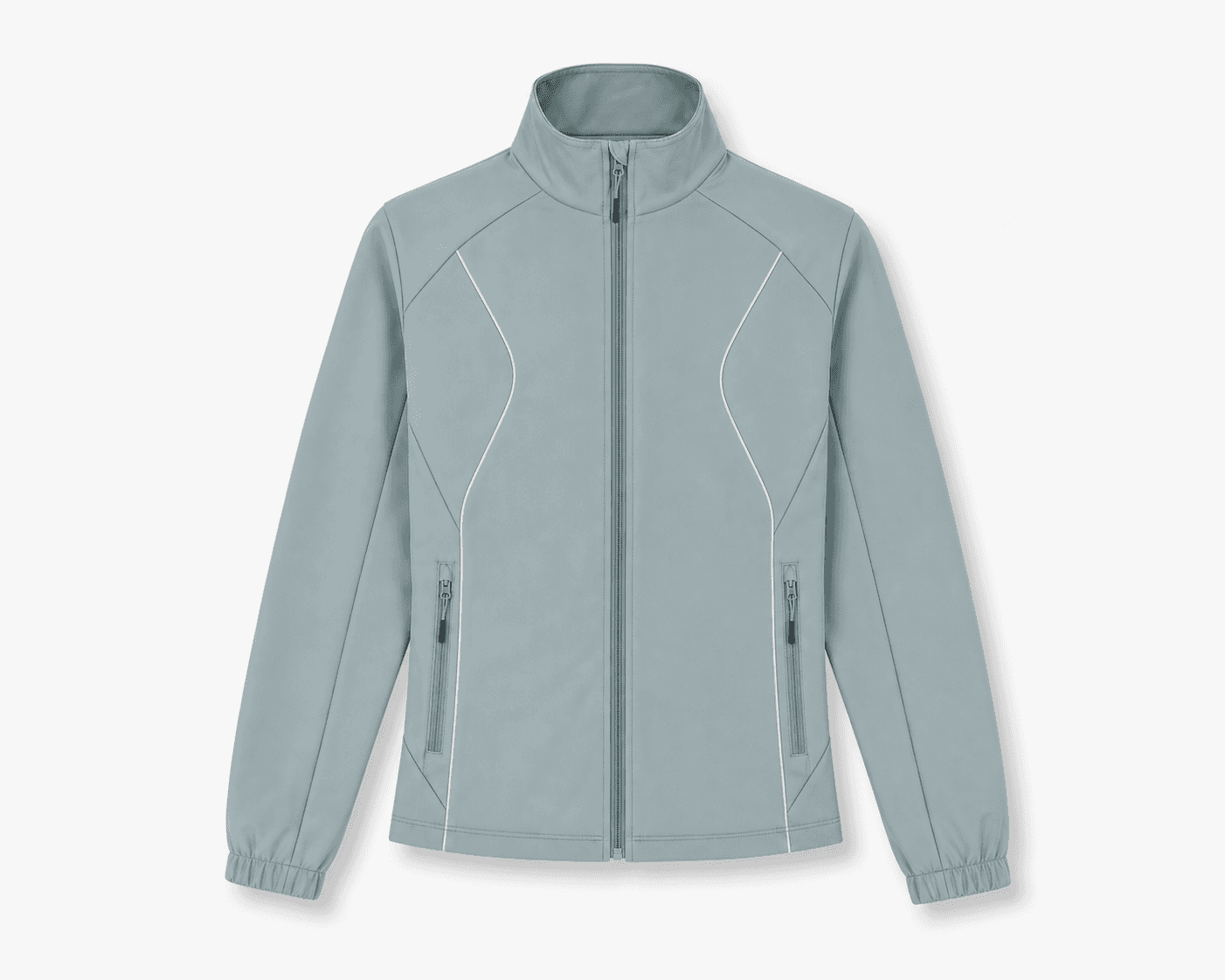
Product Guides
How to start a private label hoodie brand
A search-focused guide for launching private label hoodies, covering fleece, French terry, fit, labels, embroidery, MOQ, sampling, bulk production, and packing.
Quick answer
To start a private label hoodie brand, define your target buyer, choose a hoodie fit and fabric, prepare label and logo details, approve a sample, confirm MOQ and lead time, and work with a hoodie manufacturer that can manage fleece sourcing, decoration, sewing, quality control, packing, and shipment.
The strongest first hoodie launches are usually simple. Start with one fit, one or two fabric weights, a limited color range, and clear branding details before expanding into zip hoodies, cropped hoodies, oversized hoodies, or heavyweight fleece programs.
Hoodie buyers search for custom hoodies, private label hoodies, and hoodie manufacturers because they need a product that feels branded but can still be produced consistently at scale.
Define the hoodie brand position
Hoodies can serve streetwear, gym wear, corporate merchandise, teamwear, school programs, ecommerce basics, or premium lifestyle retail. Each channel needs a different fit, fabric weight, decoration method, and packing style.
Budget hoodie programs need reliable fabric and simple decoration. Premium hoodie programs need heavier fabric, better rib, cleaner stitching, stronger shrinkage control, and more careful label and packing details.
Before sampling, decide whether the line is oversized, classic fit, cropped, heavyweight, zip-up, pullover, fleece, French terry, or performance hoodie.
Choose hoodie fabric and trims
Fabric weight and handfeel drive hoodie quality. Brushed fleece feels warm and soft. French terry feels cleaner and lighter. Heavyweight cotton blends support premium positioning. Polyester blends can help with durability and faster drying.
Trims matter too. Rib recovery, drawcord quality, eyelets, zipper choice, pocket construction, neck tape, label material, and hangtag quality all affect the buyer's first impression.
Coverenta reviews hoodie projects by fabric weight, shrinkage risk, color plan, rib quality, decoration method, measurement tolerance, label needs, and packing rules.
Hoodie development should start with fabric weight, fit, trims, labels, and decoration decisions.
Plan logo, labels, and packaging before sampling
Private label hoodies often need neck labels, care labels, hangtags, woven labels, patches, sleeve marks, embroidery, screen print, puff print, heat transfer, or applique.
Logo placement should be reviewed on the actual sample. Chest logos, sleeve logos, hood labels, hem labels, and back prints can look different once the garment is worn or folded.
Packing should be confirmed early. Ecommerce, retail, Amazon, wholesale, and corporate programs may require different polybags, barcode labels, carton marks, and size stickers.
Approve a hoodie sample before bulk production
A hoodie sample should be checked for fabric weight, handfeel, shrinkage risk, color, fit, sleeve length, hood shape, rib recovery, pocket placement, decoration quality, measurements, label placement, and packing method.
The sample should also answer production questions. Can the fabric be sourced again? Can the logo be repeated? Are the seams clean? Does the rib recover? Can the packing method protect the garment?
A sample comment file helps the factory make revisions before bulk production and reduces repeated mistakes across sizes and colors.
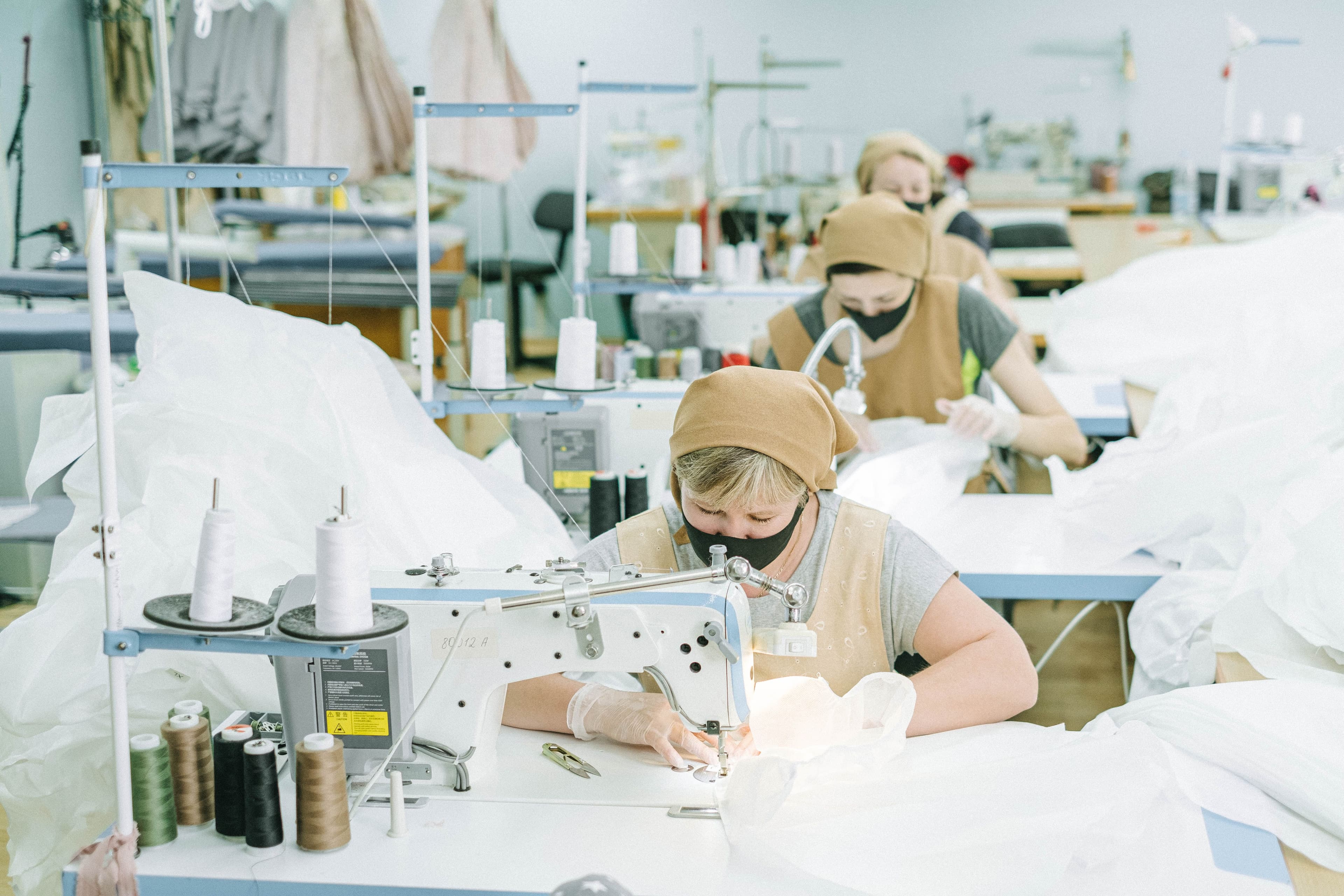
Hoodie sample review should check repeatable sewing details, rib, seams, pockets, and decoration placement.
Choose a private label hoodie manufacturer
A reliable hoodie manufacturer should support fabric sourcing, sample making, decoration methods, private label trims, quality checks, packing, and export delivery.
Ask how the factory controls fabric weight, shrinkage, color consistency, measurements, embroidery or print quality, label placement, and carton packing.
Coverenta supports hoodie programs with fleece sourcing, sample development, sewing production, decoration coordination, measurement review, quality records, and private label packing.
Plan hoodie MOQ, lead time, and inventory
MOQ depends on fabric availability, custom dyeing, color count, size range, logo method, labels, hangtags, polybags, and carton marks.
A first hoodie order should protect inventory risk. Start with the strongest fit and core colors, then expand after customer feedback and reorder data.
Common delay points include late artwork, unfinished labels, changing fabric weight after sampling, unavailable rib, embroidery changes, and missing packing files.
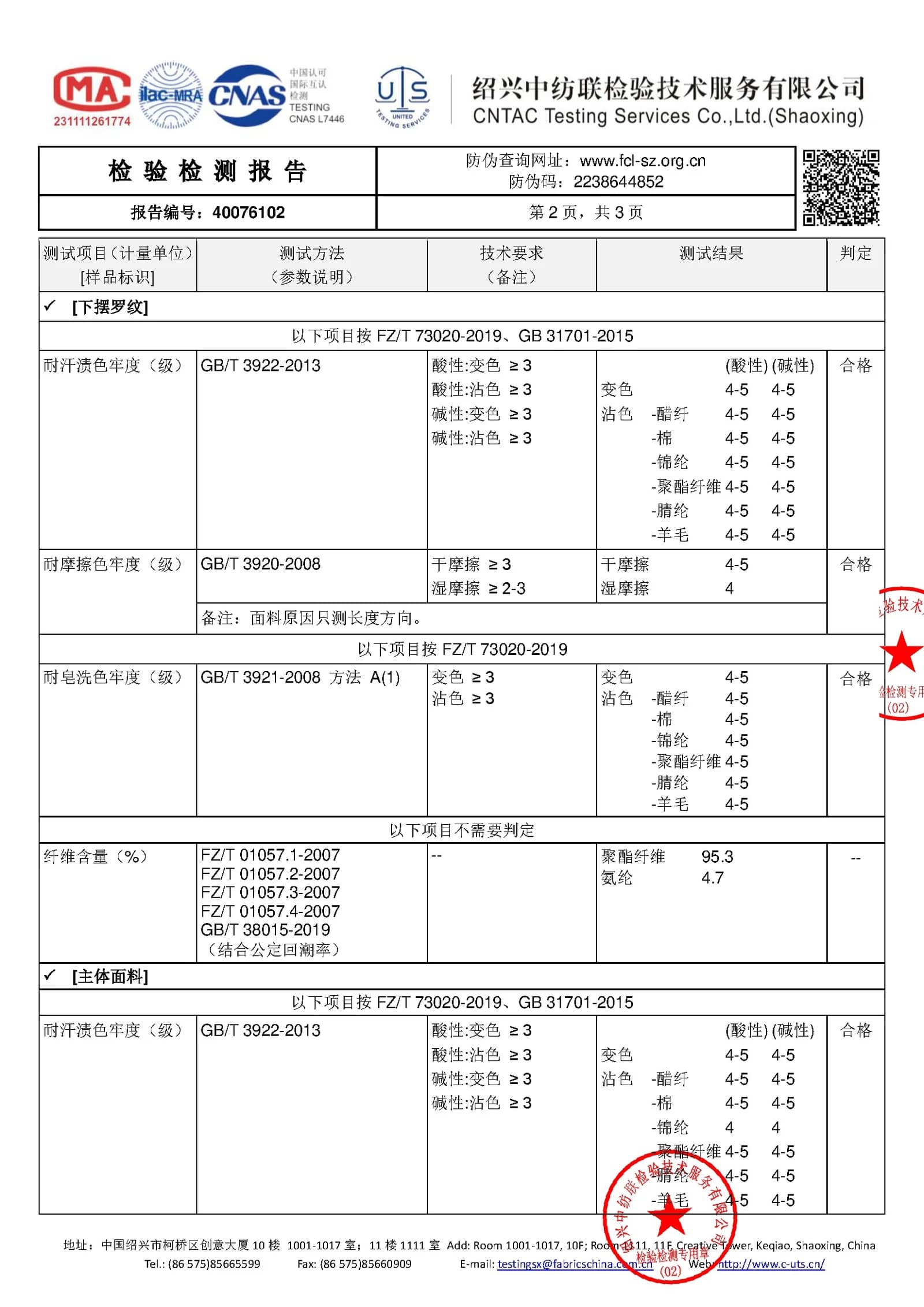
Fabric and color records help buyers review material quality before larger hoodie programs.
Author
Coverenta Editorial Team
Apparel Manufacturing Editors
The Coverenta editorial team documents practical apparel manufacturing decisions for brand buyers, sourcing teams, and product developers.
FAQ
Questions this article answers.
What should I prepare for a private label hoodie quote?
Prepare reference photos, fabric type, fabric weight, fit, size range, color count, logo method, label details, hangtag, polybag, target quantity, destination market, and delivery timeline.
What is the MOQ for private label hoodies?
Many hoodie programs can start around 100 to 300 pieces per style when fabric and trims are available. MOQ increases with custom fabric, many colors, large size ranges, special dyeing, embroidery, or custom packing.
Which fabric is best for custom hoodies?
Common choices include brushed fleece, French terry, cotton-poly blends, heavyweight cotton, and performance fleece. The best option depends on price point, handfeel, season, shrinkage, and decoration method.
How long does hoodie sampling take?
A hoodie sample often takes 7 to 20 days after fabric, measurement, logo, label, and trim details are confirmed.
Can I add custom labels and packaging?
Yes. Private label hoodie programs often include neck labels, care labels, hangtags, size stickers, polybags, barcode labels, and carton marks.
What logo methods work on hoodies?
Common options include embroidery, screen print, puff print, heat transfer, applique, patches, woven labels, and sleeve marks.
What quality checks matter for hoodies?
Check fabric weight, shrinkage, color fastness, stitching, hood shape, drawcord, rib recovery, zipper quality if applicable, measurements, decoration durability, and packing.
How do I choose a custom hoodie manufacturer?
Review fleece sourcing, sample quality, decoration experience, measurement control, communication, MOQ flexibility, packing support, and shipment reliability.
Related Posts
Continue reading.
How to start a private label activewear brand
A practical guide for launching a private label activewear line, from leggings, sports bras, training tops, and sets to fabric choice, samples, MOQ planning, and bulk production.
Read ArticleHow to start a private label sportswear brand
A manufacturing guide for private label sportswear brands, covering product range, fabric sourcing, sample approval, quality records, MOQ, packing, and export-ready production.
Read ArticleHow to start a private label workwear brand
A B2B guide for private label workwear and uniform buyers, covering product selection, fabric durability, samples, MOQ, quality records, packing, and stable factory production.
Read Article