
Product Guides
How to start a private label sportswear brand
A manufacturing guide for private label sportswear brands, covering product range, fabric sourcing, sample approval, quality records, MOQ, packing, and export-ready production.
Quick answer
To start a private label sportswear brand, define the sport or buyer segment, choose a focused product range, select suitable performance fabrics, approve samples, confirm MOQ and lead time, and work with a sportswear manufacturer that can manage fabric sourcing, decoration, sewing, quality control, packing, and shipment.
Private label sportswear works best when the first product range is narrow. Start with training tops, performance sets, hoodies, leggings, tracksuits, jerseys, or shorts before expanding into more complex categories.
The key manufacturing question is whether the factory can repeat the approved sample across sizes, colors, decoration methods, and reorder batches.
Define the sportswear buyer and channel
Sportswear buyers can include gyms, clubs, team programs, ecommerce brands, Amazon sellers, schools, distributors, and lifestyle apparel brands. Each channel has a different tolerance for price, fabric, decoration, and delivery time.
A teamwear buyer may care about size range, number panels, repeat orders, and carton labels. A fitness brand may care more about stretch, opacity, handfeel, and logo durability. A wholesale buyer may prioritize stable lead time and simple reorder files.
Your manufacturer brief should make the buyer channel clear before sampling starts.
Choose a sportswear product range
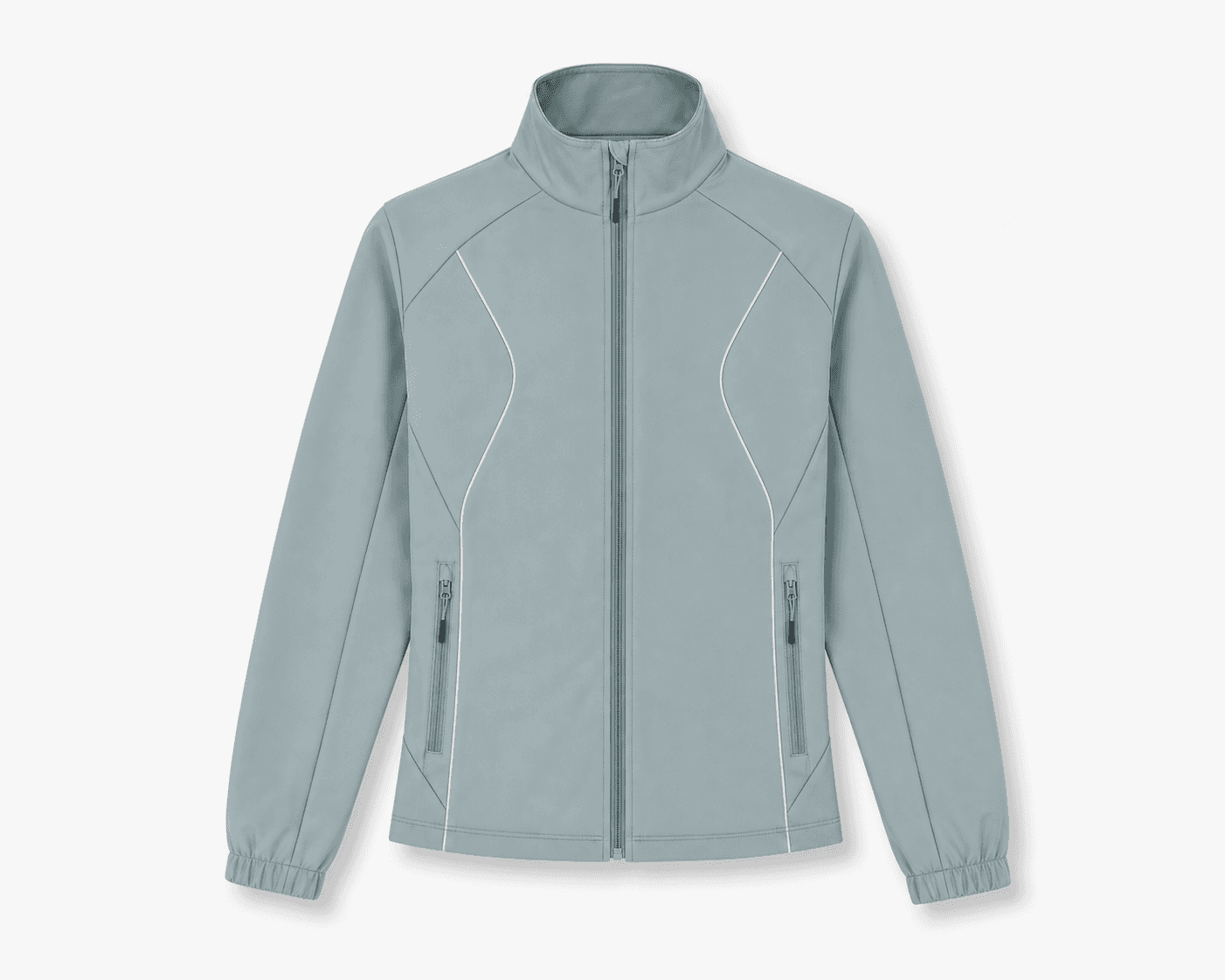
A focused sportswear launch can begin with performance sets, training tops, leggings, hoodies, warm-up jackets, shorts, jerseys, or tracksuits.
Choose products that can share fabric, trims, labels, and packing logic. This makes MOQ planning easier and reduces sample complexity.
Coverenta reviews sportswear projects by product type, fabric direction, decoration method, fit requirement, size range, color count, quality checks, and packing needs.
Sportswear sourcing should connect product range, fabric direction, logo method, and packing before bulk production.
Plan fabric, decoration, and private label details
Sportswear fabrics can include quick-dry polyester, polyester-spandex, nylon-spandex, mesh, fleece, French terry, rib, and lightweight woven shell fabrics.
Decoration methods include screen print, heat transfer, embroidery, applique, patches, player numbers, sleeve marks, and woven labels. The right method depends on fabric, stretch, wash performance, and buyer budget.
Private label details should be confirmed before sampling: neck label, care label, hangtag, size sticker, barcode, polybag, carton mark, and any team or channel-specific packing rule.
Use sampling and quality records to reduce risk
Sportswear samples should be reviewed for fit, fabric handfeel, stretch, measurements, seam quality, logo durability, color, labels, and packing method.
For performance fabrics, quality records can support buyer review. Useful checks may include color fastness, composition, shrinkage, fabric handfeel, and measurement tolerance depending on product scope.
A factory should record sample comments clearly so revisions can be repeated during bulk sewing.
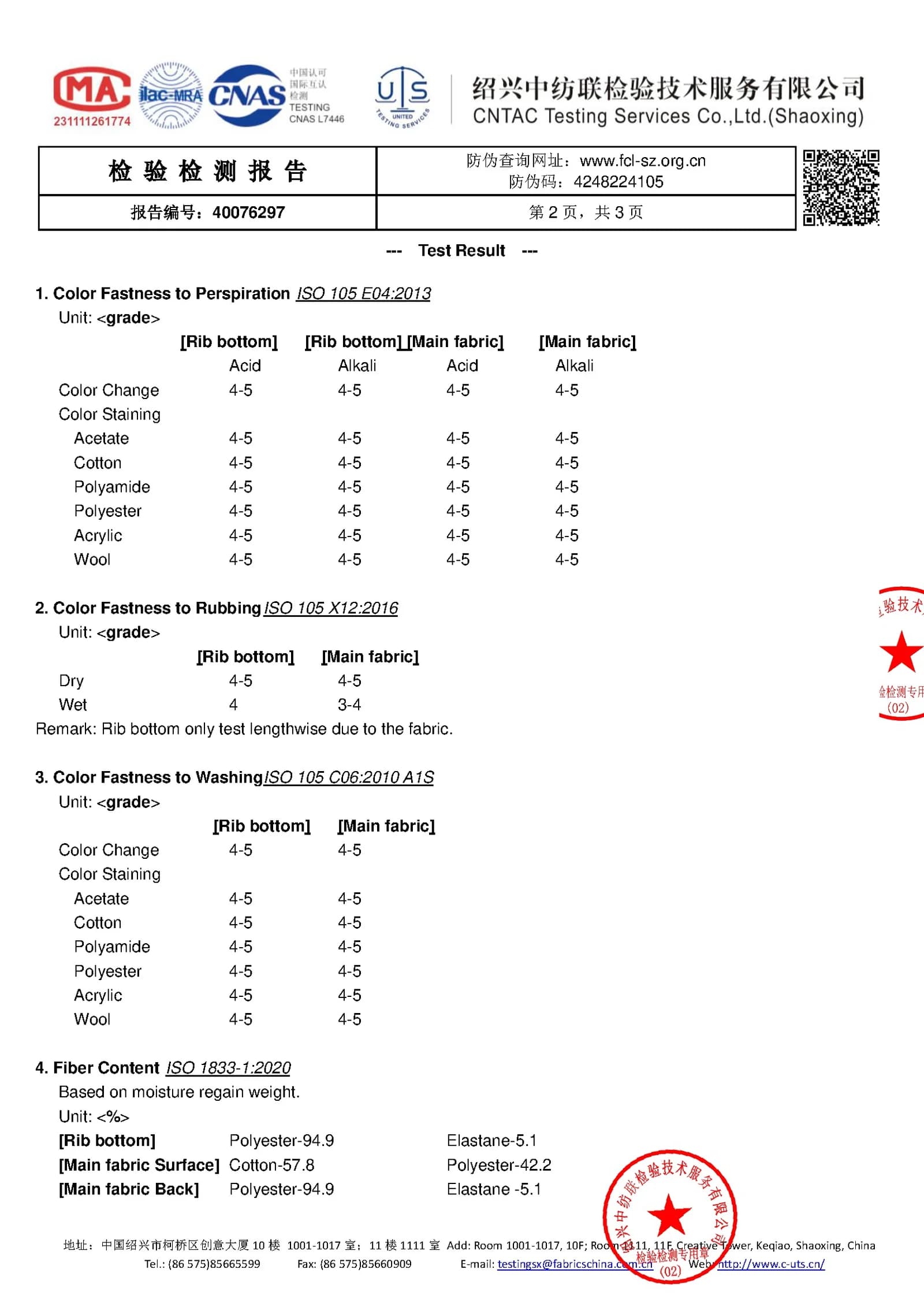
Color fastness and fabric records can support sportswear buyer review when performance or material claims matter.
Choose a sportswear manufacturer with repeatable production
A private label sportswear manufacturer should support fabric sourcing, sample making, decoration coordination, technical sewing, inline inspection, measurement checks, final inspection, and packing.
Review whether the factory can manage repeat orders. Sportswear often depends on reorder consistency across colors, sizes, logos, numbers, and packing files.
Coverenta supports sportswear programs from tech pack review and fabric sourcing to sewing production, quality records, private label packing, and export-ready shipment.
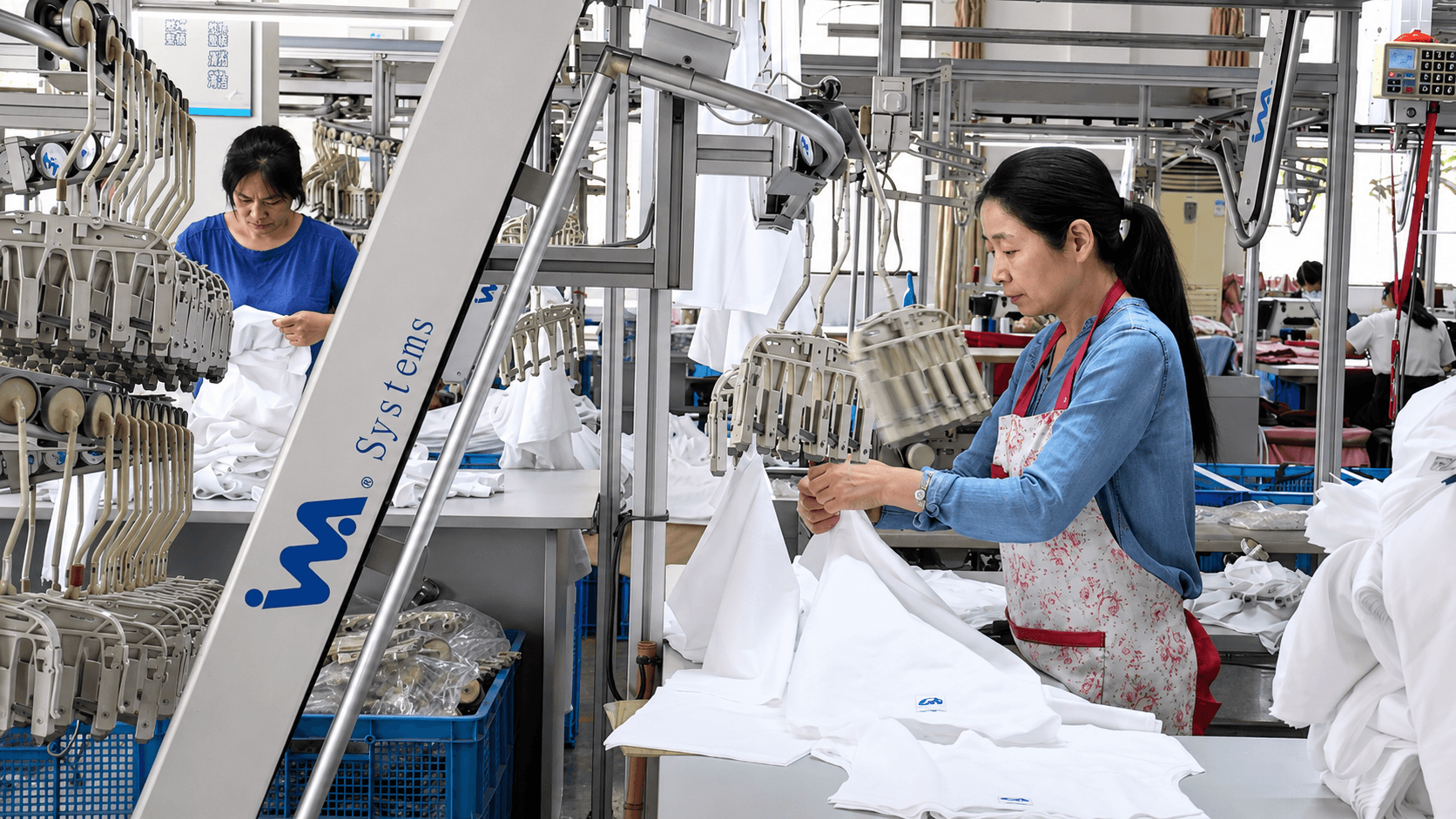
Repeatable sportswear production needs stable line setup, inline checks, measurement control, and packing records.
Plan MOQ, launch quantity, and reorder logic
MOQ depends on style count, fabric, color count, size range, logo method, number panels, labels, and packing materials.
A first sportswear launch should avoid too many combinations. Keep styles and colors focused, then build reorder data before adding more fabric or decoration complexity.
Common delays come from late artwork, changing colors after sampling, unavailable fabric, unfinished size charts, and missing packing or barcode files.
Author
Coverenta Editorial Team
Apparel Manufacturing Editors
The Coverenta editorial team documents practical apparel manufacturing decisions for brand buyers, sourcing teams, and product developers.
FAQ
Questions this article answers.
What products can a private label sportswear brand start with?
Common starting products include training tops, performance sets, hoodies, leggings, warm-up jackets, shorts, tracksuits, jerseys, and teamwear basics.
What is the MOQ for private label sportswear?
Starter sportswear programs often begin around 100 to 300 pieces per style when fabric and trims are available. MOQ rises with custom fabric, many colors, complex decoration, and special packing.
What fabrics are used for sportswear?
Sportswear commonly uses polyester-spandex, nylon-spandex, quick-dry knits, mesh, fleece, French terry, woven shells, and rib fabrics depending on product type.
How long does sportswear production take?
After sample approval and material readiness, many sportswear bulk orders take about 30 to 45 days, but decoration, trims, fabric booking, and packing files can change the timeline.
What quality checks are important for sportswear?
Important checks include fabric handfeel, stretch recovery, color fastness, seam strength, measurement control, print or embroidery quality, final inspection, and packing verification.
Can a sportswear factory support private labels and teamwear packing?
Yes. A sportswear factory can support care labels, woven labels, hangtags, player names, number panels, polybags, size stickers, carton marks, and barcode labels.
Should I choose OEM or private label sportswear?
Private label is useful for faster market entry with controlled customization. OEM is better when the buyer has detailed patterns, measurement specs, construction details, and technical requirements.
How do I compare sportswear manufacturers?
Compare sample quality, fabric sourcing, decoration ability, MOQ flexibility, communication, quality control, lead time stability, and export packing support.
Related Posts
Continue reading.
How to start a private label activewear brand
A practical guide for launching a private label activewear line, from leggings, sports bras, training tops, and sets to fabric choice, samples, MOQ planning, and bulk production.
Read ArticleHow to start a private label hoodie brand
A search-focused guide for launching private label hoodies, covering fleece, French terry, fit, labels, embroidery, MOQ, sampling, bulk production, and packing.
Read ArticleHow to Start a Private Label Outdoor Jacket Brand
A practical manufacturing guide for building a private label outdoor jacket line, from product positioning and fabric sourcing to samples, testing records, MOQ planning, and export-ready packing.
Read Article